 EN
EN

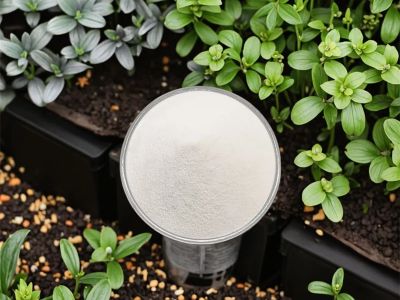
Rice protein peptide is rapidly gaining traction as a preferred raw material in the health food industry. This trend can be attributed to its numerous health benefits, versatility, and increasing consumer demand for plant-based protein sources. For purchasing managers and product developers, understanding the advantages, specifications, and sourcing strategies for rice protein peptides is essential for making informed decisions. This article will explore the key benefits of rice protein peptides, their applications, common challenges, and how to source high-quality options for your business needs.
What Are the Key Benefits of Rice Protein Peptide for Health Foods?
Rice protein peptides offer several advantages that make them an attractive ingredient for health foods. Firstly, they are a complete source of protein, containing all essential amino acids required for human health. This is particularly appealing in a market increasingly focused on plant-based nutrition, as rice protein peptides provide a viable alternative to animal-derived proteins. Another significant benefit is their high digestibility.
Unlike some plant proteins, rice protein peptides are easily absorbed by the body, making them suitable for various consumer segments, including athletes, vegetarians, and individuals with dietary restrictions. Additionally, rice protein rice peptide are hypoallergenic, which reduces the risk of adverse reactions, making them an ideal choice for sensitive populations. Moreover, rice protein peptides can aid in muscle recovery and growth. They contribute to muscle protein synthesis, making them popular in post-workout supplements and meal replacement products. Their neutral flavor profile allows for easy incorporation into various formulations, from protein shakes to baked goods, enhancing their versatility in health food applications.
Specifications and Application Scenarios
When considering rice protein peptides, it's crucial to understand their specifications and potential applications. Typically, rice protein peptides are available in various forms, including powder and granules, with protein content ranging from 70% to 90% depending on the processing method. The particle size can also vary, influencing solubility and texture in different formulations.
Application scenarios for rice protein peptides are diverse. They can be utilized in:
Health Supplements: For protein shakes, bars, and capsules targeting fitness enthusiasts.
Infant Nutrition: Providing a safe and nutritious protein source for infants.
Baked Goods: Enhancing protein content in bread, cookies, and pastries without altering flavors significantly.
Dairy Alternatives: Used in plant-based yogurts and cheeses to improve nutritional profiles.
The suitability of rice protein peptides in these applications often depends on their specific characteristics, such as solubility and flavor, which should be confirmed based on the intended product formulation.
Common Issues with Rice Protein Peptides and Effective Solutions
Despite their many benefits, there are common challenges associated with rice protein peptides that buyers should be aware of. One issue is variability in product quality, which can result from differences in sourcing and processing methods. Inconsistent protein content or amino acid profiles can affect product performance and consumer satisfaction. To mitigate these issues, buyers should prioritize sourcing from reputable suppliers like Hunan Zhunong Mizhen Biotechnology Co., Ltd., who employ strict quality control processes. This includes thorough testing of raw materials and finished products to ensure consistency and compliance with industry standards. Another challenge is the potential for off-flavors in certain formulations. While rice protein dietary fiber in brown rice generally possess a neutral taste, variations in processing can lead to undesirable flavors. Conducting sensory evaluations during the product development phase can help identify and resolve these issues before mass production.
Where to Source High-Quality Rice Protein Peptides for Your Business?
Identifying reliable suppliers for rice protein peptides is crucial for ensuring product quality and consistency. When sourcing these ingredients, buyers should look for manufacturers with established reputations, like Hunan Zhunong Mizhen Biotechnology Co., Ltd., who specialize in natural rice germ and aleurone ingredients.
Key factors to consider when evaluating suppliers include:
Quality Certifications: Suppliers should have relevant certifications (e. g., ISO, HACCP) that demonstrate adherence to quality and safety standards.
Manufacturing Capabilities: Evaluate the supplier's processing technology and capacity to meet your production needs.
Customization Options: Ensure the supplier can accommodate specific formulation requirements, such as protein content or particle size.
Sample Availability: Request samples for testing to confirm product suitability for your applications before placing large orders.
By conducting thorough due diligence, buyers can confidently establish partnerships with suppliers that align with their quality and performance expectations.
Technical Specifications of Rice Protein Peptides for Health Applications
Understanding the technical specifications of rice protein peptides is essential for making informed purchasing decisions. Key parameters to consider include:
Protein Content: Typically ranging from 70% to 90%, higher protein content often correlates with better performance in applications requiring significant protein levels.
Amino Acid Profile: Ensure the peptide's amino acid composition meets the target requirements for your specific health applications, particularly for muscle recovery or infant nutrition.
Solubility: The solubility of rice protein brown rice dietary fiber can vary based on the processing method. Buyers should confirm solubility characteristics to ensure compatibility with their product formulations.
Particle Size: Smaller particle sizes can lead to improved solubility and texture in finished products, influencing consumer acceptance.
Buyers should work closely with suppliers to confirm these specifications based on their intended applications, ensuring optimal performance and customer satisfaction.
Table of Contents
- What Are the Key Benefits of Rice Protein Peptide for Health Foods?
- Specifications and Application Scenarios
- Common Issues with Rice Protein Peptides and Effective Solutions
- Where to Source High-Quality Rice Protein Peptides for Your Business?
- Technical Specifications of Rice Protein Peptides for Health Applications