 EN
EN

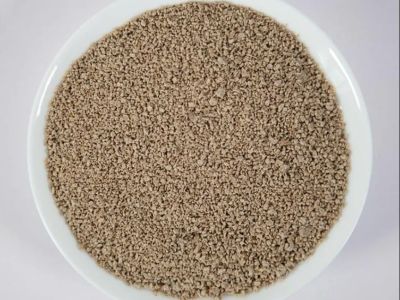
Rice aleurone layer oil is a valuable ingredient derived from the outer layer of rice grains, known for its unique nutritional properties and health benefits. This oil is gaining traction in various sectors, including health foods, infant nutrition, pharmaceuticals, and skincare products, due to its rich content of bioactive compounds. For B2B buyers, understanding the nutritional value, quality standards, and extraction technology of rice aleurone layer oil is crucial for making informed purchasing decisions. This article will guide you through the essential aspects of rice aleurone layer oil, addressing key concerns regarding quality, specifications, applications, and common challenges faced by buyers.
Understanding the Nutritional Value of Rice Aleurone Layer Oil
Rice aleurone layer oil is extracted from the aleurone layer, which is the nutrient-rich layer found just beneath the outer husk of the rice grain. This oil is particularly valued for its high concentration of essential fatty acids, vitamins, and antioxidants. It contains tocopherols, tocotrienols, and gamma-oryzanol, which contribute to its health-promoting properties, such as reducing cholesterol levels and improving heart health.
The unique nutritional profile of rice aleurone layer oil makes it suitable for applications in health foods and dietary supplements. Buyers should consider the specific nutrient composition that aligns with their product goals, as the oil can vary in its content of bioactive compounds based on the extraction process and rice variety used. Therefore, it is essential for purchasing professionals to request detailed nutritional analysis reports before placing bulk orders.
How to Choose Quality Rice Aleurone Layer Oil for Bulk Orders?
When selecting rice aleurone layer oil for bulk orders, buyers should prioritize several key factors to ensure the quality of the product. Firstly, sourcing from reputable manufacturers like Hunan Zhunong Mizhen Biotechnology Co., Ltd., known for their advanced processing techniques, can significantly impact the quality of the oil. Look for suppliers that provide transparency regarding their extraction methods, as cold-pressed extraction typically retains more nutrients compared to solvent extraction methods.
Additionally, buyers should verify the oil's purity and concentration of active compounds through third-party testing. Requesting a Certificate of Analysis (CoA) is a good practice to ensure that the oil meets specified standards and is free from contaminants. Furthermore, consider the origin of the rice used for extraction, as different rice varieties can yield varying oil qualities.
Specifications and Quality Control for Rice Aleurone Layer Oil Products
Specifications for rice aleurone layer oil often include parameters such as acidity, peroxide value, and specific gravity, which are critical indicators of oil quality. Acidity levels should typically be below 0.5% to ensure freshness and prevent rancidity. The peroxide value should also be low, ideally under 10 meq/kg, indicating minimal oxidation.
Quality control processes employed during production play a vital role in maintaining the integrity of the oil. Implementing rigorous quality checks at various stages from raw material sourcing to final product testing can help ensure consistency and reliability. Buyers should inquire about the manufacturer's quality assurance protocols, including any relevant certifications that confirm adherence to international food safety and quality standards.
Key Applications of Rice Aleurone Layer Oil in Various Industries
Rice aleurone layer oil has diverse applications across multiple industries due to its beneficial properties. In the food sector, it is increasingly used as a health-promoting ingredient in functional foods and dietary supplements. Its stability in cooking and frying makes it an attractive alternative to traditional oils.
In the pharmaceutical industry, rice aleurone layer oil is utilized in the formulation of nutraceuticals aimed at enhancing overall health and well-being. Its antioxidant properties benefit skincare products as well, where it helps in moisturizing and nourishing the skin.
Furthermore, this oil is gaining popularity in the cosmetics industry for its potential anti-aging effects. The oil's ability to improve skin elasticity and reduce inflammation makes it an appealing ingredient for various cosmetic formulations. Buyers should evaluate the specific applications they intend to target to ensure the Rice Aleurone Layer oil they select meets their formulation requirements.
Common Problems with Rice Aleurone Layer Oil and Effective Solutions
Despite its advantages, buyers may encounter several common challenges when dealing with rice aleurone layer oil. One issue is the variability in quality between batches, which can be attributed to differences in raw material sourcing and extraction methods. To address this, it is crucial to establish a consistent relationship with a reliable supplier who can guarantee uniform quality across orders.
Another concern is the oil's susceptibility to oxidation, leading to rancidity. Buyers should ensure that the oil is stored properly in cool, dark environments and consider purchasing in smaller quantities to minimize exposure to air and light.
Additionally, buyers should be aware of potential labeling and regulatory compliance issues, especially when incorporating rice protein aleurone layer oil into consumable products. Consulting with regulatory experts can be beneficial to navigate the complexities of food safety regulations and ensure compliance with labeling requirements.
By understanding these challenges and working closely with knowledgeable suppliers, buyers can mitigate risks and make informed decisions when sourcing rice aleurone layer oil.
Table of Contents
- Understanding the Nutritional Value of Rice Aleurone Layer Oil
- How to Choose Quality Rice Aleurone Layer Oil for Bulk Orders?
- Specifications and Quality Control for Rice Aleurone Layer Oil Products
- Key Applications of Rice Aleurone Layer Oil in Various Industries
- Common Problems with Rice Aleurone Layer Oil and Effective Solutions