 EN
EN

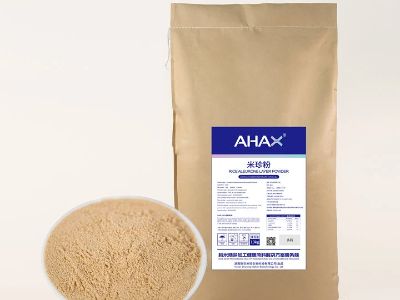
The health benefits of rice aleurone layer oil are gaining recognition in both dietary and skincare applications. This oil, derived from the aleurone layer of rice, is rich in nutrients and bioactive compounds that can significantly enhance wellness and beauty routines. For B2B buyers such as manufacturers, product managers, and health food distributors, understanding these benefits, specifications, and practical applications is crucial for informed purchasing decisions. This article will provide insights into the advantages of rice aleurone layer oil, its specifications, cost factors related to bulk orders, installation guidance for product formulation, and a deeper understanding of its benefits.
Health Benefits of Rice Aleurone Layer Oil for Daily Diet and Skincare
Rice aleurone layer oil is a nutrient-dense ingredient that offers numerous health benefits when integrated into daily diets and skincare products. Rich in vitamins, antioxidants, and essential fatty acids, this oil can support cardiovascular health, improve skin hydration, and enhance overall wellness.
In dietary applications, rice aleurone layer oil can help lower cholesterol levels, thanks to its high concentration of unsaturated fatty acids. Its anti-inflammatory properties may also aid in reducing the risk of chronic diseases. For skincare, the oil acts as an excellent moisturizer, promoting elasticity and reducing the appearance of fine lines and wrinkles. Its antioxidant properties help protect the skin from oxidative stress, making it a valuable ingredient in anti-aging formulations.
For buyers, it's essential to evaluate suppliers based on their ability to provide high-quality rice aleurone layer oil that meets specific nutritional and cosmetic standards. Prioritizing verified sourcing and quality control measures can ensure that the oil delivers its promised benefits effectively.
Rice Aleurone Layer Oil Specifications Explained
Understanding the specifications of rice aleurone layer oil is crucial for buyers to ensure compatibility with their products and applications. Key specifications to consider include:
Composition: The oil typically contains a high percentage of unsaturated fatty acids, including oleic and linoleic acid. Buyers should confirm the fatty acid profile to ensure it meets their product requirements.
Color and Clarity: A clear, light golden color is indicative of high-quality oil. Impurities or cloudiness may suggest inferior processing or contamination.
Odor: The oil should have a pleasant, mild aroma. Any off-putting smells could indicate spoilage or poor quality.
Shelf Life: Buyers should inquire about the oil's shelf life, as it can be affected by exposure to light and heat. Proper storage conditions should be communicated to ensure product longevity.
Understanding these specifications allows for better product formulation and helps buyers avoid common pitfalls, such as incompatibility with other ingredients or reduced efficacy.
Cost Factors for Bulk Orders of Rice Aleurone Layer Oil Products
When considering bulk orders of rice aleurone layer oil, several cost factors come into play that can impact overall pricing:
Quantity Ordered: Larger quantities often result in lower per-unit costs due to economies of scale. Buyers should assess their needs to find a balance between stock levels and storage capabilities.
Processing and Refinement: The level of processing affects costs. Cold-pressed oils, for instance, may be priced higher due to the preservation of nutrients compared to refined oils.
Packaging: The type of packaging can also influence costs. Bulk orders in large containers may offer savings compared to smaller retail packaging, but buyers must consider their distribution methods.
Shipping and Handling: Transportation costs can vary significantly based on distance and mode of shipping. Buyers should factor in logistics when calculating total expenses.
By understanding these cost factors, buyers can make more informed decisions and negotiate better pricing structures with suppliers.
Installation Guidance for Using Rice Aleurone Layer Oil in Products
Integrating rice aleurone layer oil into various formulations requires careful consideration to maximize its benefits. Here are some installation guidelines:
Formulation Compatibility: Before adding rice aleurone layer oil, assess its compatibility with other ingredients in the formulation. Conduct small-scale tests to observe interactions and ensure stability.
Usage Ratios: Generally, a usage level of 5-15% is effective for dietary supplements and skincare products. However, this may vary based on specific formulations, so testing is recommended.
Emulsification: If used in emulsified products (e. g., creams or lotions), ensure proper emulsification techniques are applied to maintain uniform distribution of the oil.
Stability Testing: Conduct stability tests to evaluate how the oil behaves over time in the product. Factors such as temperature and exposure to light should be considered during testing.
By following these guidelines, manufacturers can successfully incorporate rice aleurone rice layer oil, ensuring product efficacy and stability.
Understanding Rice Aleurone Layer Oil Benefits
The benefits of rice aleurone layer oil extend beyond basic nutrition and skincare. Understanding these advantages helps buyers appreciate its market potential:
Nutritional Enhancement: The oil is a source of essential fatty acids that can enhance the nutritional profile of food products. It can be beneficial in health foods targeting heart health, weight management, and overall wellness.
Skin Health: The moisturizing properties of rice aleurone layer oil make it a popular choice in beauty products. Its ability to penetrate the skin effectively helps deliver nutrients where they are needed most.
Antioxidant Protection: The oil contains natural antioxidants, which can help protect both food and skincare products from oxidative damage, prolonging shelf life and efficacy.
Sustainability: Sourcing rice aleurone layer oil from reputable suppliers, like Hunan Zhunong Mizhen Biotechnology Co., Ltd., who prioritize sustainable practices, can enhance a company's brand reputation and appeal to environmentally conscious consumers.
By understanding the broad spectrum of benefits, B2B buyers can effectively communicate the value of oil to their customers, enhancing their product offerings in health foods and skincare markets. In summary, Rice Aleurone Layer aleurone layer oil presents numerous health benefits and practical applications, making it a valuable ingredient for manufacturers and suppliers. By keeping specifications, cost factors, installation guidelines, and the oil's advantages in mind, buyers can make informed purchasing decisions that align with their business goals.