 EN
EN

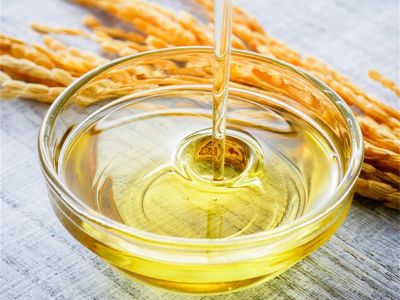
Rice Bran Wax is a versatile natural wax derived from the outer layer of rice grains, specifically the bran. Due to its unique properties, it is increasingly used across various industrial applications, including cosmetics, pharmaceuticals, and food products. However, B2B buyers often face challenges in sourcing high-quality rice bran wax that meets their specific project requirements. This article will guide you through the critical aspects of selecting, sourcing, and evaluating rice bran wax, ensuring you make informed purchasing decisions.
How to Choose High-Quality Rice Bran Wax for Your Projects?
When selecting rice bran wax for industrial applications, consider the following key factors:
Purity and Composition: Ensure the wax is free from contaminants and meets your industry's purity standards. High-quality rice bran wax typically contains a minimum of 70% wax content, with the rest being fatty acids and other components. Understanding the specific composition is crucial, as it affects the wax's performance in applications such as emulsification and stabilization.
Melting Point: The melting point of rice bran wax typically ranges from 70°C to 80°C. This characteristic is essential for applications requiring specific temperature control during processing. A higher melting point may offer better stability in formulations, while a lower melting point may provide better spread ability in cosmetic products.
Color and Odor: Quality rice bran wax should have a light yellow to off-white appearance and a mild, neutral odor. Discoloration or strong odors can indicate impurities or degradation, which could affect the final product's quality.
Functional Properties: Depending on your application, you may require specific functional attributes, such as emulsifying, thickening, or film-forming properties. Testing samples for compatibility with other ingredients in your formulation will help ensure optimal performance.
By focusing on these factors, you can confidently select high-quality ORYZA sativa rice bran extract that aligns with your project's needs.
Where to Source Reliable Suppliers of Rice Bran Wax in Bulk?
Sourcing high-quality rice bran wax in bulk requires careful consideration of potential suppliers. Here are some strategies to identify reliable sources:
Industry Directories and Trade Shows: Utilize B2B directories and attend industry trade shows to discover established suppliers specializing in natural waxes. Engaging with manufacturers directly allows you to ask specific questions about their products and processes.
Supplier Certifications: Look for suppliers that possess relevant certifications, such as ISO 9001 or organic certifications. These certifications often indicate adherence to quality management systems and industry standards, providing an additional layer of trust.
Customer Reviews and Case Studies: Investigate customer feedback and case studies related to the supplier's rice bran wax. This information can reveal insights into the product’s quality, reliability, and customer service experience.
Sample Testing: Before committing to a bulk order, request samples from potential suppliers. Assess the wax's quality, functionality, and compatibility with your intended application to ensure it meets your expectations.
By leveraging these strategies, you can effectively identify reliable suppliers of rice bran wax in bulk, minimizing risks associated with poor-quality products.
Key Specifications to Evaluate When Purchasing Rice Bran Wax
When purchasing rice bran wax, it’s vital to evaluate key specifications that influence its performance in your applications:
Fatty Acid Composition: The wax is composed of various fatty acids, which play a role in its functional properties. A wax with a higher content of palmitic and oleic acids may offer better stability and emulsifying properties, while a higher content of linoleic acid may enhance lubricity.
Saponification Value: This specification indicates the amount of potassium hydroxide required to a specific amount of wax. A lower saponification value typically suggests a higher content of long-chain fatty acids, which can affect the wax's hardness and texture.
Iodine Value: This value measures the degree of unsaturation in the fatty acids. A low iodine value indicates a more saturated product, which can provide better oxidative stability. Understanding the iodine value can help you select a wax that meets your stability requirements.
Viscosity: The viscosity of rice bran wax at different temperatures can affect its application in formulations. Conducting viscosity tests at various temperatures can help you understand how the wax will behave under processing conditions.
By carefully evaluating these specifications, you can select rice bran & germ oil that aligns with your project requirements and optimizes performance in your products.
Cost Factors to Consider When Buying Rice Bran Wax Wholesale
When evaluating the cost of rice bran wax, several factors can influence pricing:
Quality and Purity: Higher quality and more refined rice bran wax typically come at a premium. Investing in quality can lead to better performance in your applications and potentially reduce the need for additional additives.
Volume and Packaging: The quantity ordered can significantly affect pricing. Many suppliers offer tiered pricing based on volume, so purchasing in larger quantities can often reduce the per-unit cost. Additionally, consider the packaging type and any associated costs for shipping and handling.
Supplier Location: The supplier’s geographical location can impact shipping costs and lead times. Sourcing locally may reduce shipping expenses and expedite delivery, while international suppliers may offer better pricing but involve longer lead times.
Market Demand and Supply: Fluctuations in market demand and supply can lead to price changes. Staying informed about market trends and supplier availability can help you anticipate pricing changes and negotiate better deals.
By understanding these cost factors, you can make informed decisions that balance quality and budget when purchasing rice bran wax wholesale.
Understanding the Material Advantages of Rice Bran Wax in Industry
Rice bran wax offers several advantages that make it a preferred choice across various industries:
Natural Source: As a natural wax, rice bran wax is derived from rice grains, making it an attractive option for manufacturers seeking sustainable and eco-friendly ingredients for formulations in cosmetics, food, and pharmaceuticals.
Versatility: Its unique properties allow rice bran wax to serve multiple functions, including a thickener, emulsifier, and stabilizer. This versatility enables manufacturers to streamline formulations, reducing the need for multiple additives.
High Melting Point: With a melting point ranging from 70°C to 80°C, rice bran wax provides excellent heat resistance, making it suitable for applications that require stability under high temperatures, such as in candles and personal care products.
Emollient Properties: Rice bran wax acts as an emollient, providing a smooth texture and moisture retention in cosmetic formulations. Its ability to enhance skin feel and appearance makes it highly desirable in beauty products.
Biodegradability: As a natural material, rice bran wax is biodegradable, contributing to environmentally friendly product formulations. This characteristic aligns with the growing consumer demand for sustainable and eco-friendly products.
By understanding these material advantages, manufacturers can leverage rice bran oil to enhance their products' performance and appeal in competitive markets.
Table of Contents
- How to Choose High-Quality Rice Bran Wax for Your Projects?
- Where to Source Reliable Suppliers of Rice Bran Wax in Bulk?
- Key Specifications to Evaluate When Purchasing Rice Bran Wax
- Cost Factors to Consider When Buying Rice Bran Wax Wholesale
- Understanding the Material Advantages of Rice Bran Wax in Industry