 EN
EN

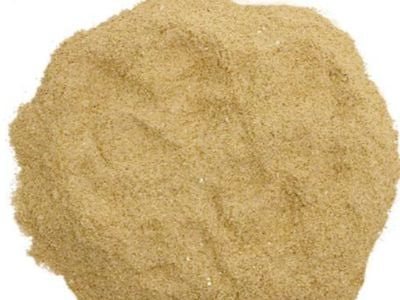
Rice bran wax is a natural ingredient derived from the outer layer of rice grains, primarily utilized in cosmetic formulations and various industrial applications. This article explores the production process of rice bran wax and its advantages as a cosmetic raw material, addressing key concerns for B2B buyers such as quality, suitability, and custom specifications. Buyers will gain insights into selecting high-quality rice bran wax, making informed purchasing decisions, and understanding its diverse applications.
Key Specifications for Buyers
When evaluating rice bran wax, several key specifications can significantly affect its performance and suitability for specific applications. Buyers should consider the following:
Melting Point: Typically ranging from 70°C to 85°C, the melting point determines how the wax behaves in formulations. A higher melting point can enhance texture and stability.
Color and Odor: The color should be light yellow to off-white, and it should possess a neutral odor. Any deviation might indicate impurities or poor processing.
Free Fatty Acid Content: A lower percentage (preferably below 2%) is ideal, as higher levels may affect the wax's stability and compatibility with other ingredients.
Iodine Value: This measures the degree of unsaturation in the wax. A lower iodine value (less than 10) indicates a more stable product that is less likely to oxidize.
Viscosity: The viscosity should be suitable for the intended application, impacting the ease of blending with other ingredients and the final product's texture.
Understanding these specifications helps buyers ensure that the rice bran wax meets their quality standards and application requirements.
How to Choose High-Quality Rice Bran Wax for Your Products?
Selecting high-quality rice bran wax involves several considerations to ensure optimal performance in your end products:
Source and Purity: Verify that the wax is derived from high-quality rice grains, preferably from reputable suppliers like Hunan Zhunong Mizhen Biotechnology Co., Ltd., which specializes in natural rice-derived ingredients. Ensure that the wax is processed using advanced methods to maintain its purity and effectiveness.
Certifications: Look for suppliers with certifications that validate the quality of their products, such as organic or non-GMO certifications. This can help ensure that the wax meets specific industry standards and consumer expectations.
Sample Testing: Before committing to a large order, request samples for testing in your specific formulations. Evaluate the wax’s performance, compatibility with other ingredients, and overall effect on product quality.
Customization Capabilities: Discuss customization options with suppliers. This could involve tailoring the wax's properties to fit particular formulations, such as adjusting melting points or enhancing specific characteristics.
Technical Support: Choose suppliers who offer technical assistance and guidance on the best practices for incorporating rice wax into your formulations, addressing potential challenges that may arise during production.
A Guide for Importers
For importers looking to source rice bran wax, understanding the logistics and regulatory requirements is crucial:
Import Regulations: Familiarize yourself with the regulations governing the import of cosmetic raw materials in your region. This may include compliance with safety standards and labeling requirements.
Documentation: Ensure that you obtain all necessary documentation from your supplier, including certificates of analysis, quality assurance certifications, and shipping documents. This information is essential for customs clearance and quality verification.
Minimum Order Quantities (MOQ): Discuss MOQs with potential suppliers to determine how they align with your purchasing needs. Some manufacturers may offer flexibility in order sizes for first-time buyers or long-term partnerships.
Shipping and Transportation: Consider the shipping methods and timelines. Ensure that the supplier can meet your delivery deadlines and that the transportation conditions preserve the quality of the rice dietary fiber bran wax.
Supplier Evaluation: Assess potential suppliers based on their reliability, quality control processes, and production capabilities. A strong track record in the industry can provide confidence in their ability to deliver consistent, high-quality products.
What to Consider?
When purchasing rice bran wax, buyers should keep several factors in mind to ensure they choose the right product for their needs:
Application Suitability: Determine the intended use of the rice bran wax, whether for cosmetics, pharmaceuticals, or other industrial applications. Each application may require different specifications.
Compatibility with Other Ingredients: Ensure that the rice bran wax is compatible with other components in your formulation. Conducting compatibility testing can help avoid issues during production.
Shelf Life and Storage Conditions: Understand the shelf life of the rice bran wax and the appropriate storage conditions. This information is critical for maintaining product quality throughout its lifespan.
Cost Factors: Evaluate the pricing of rice bran wax in relation to its quality and performance. Consider the total cost of ownership, including shipping, storage, and potential wastage during production.
Quality Control Processes: Investigate the supplier’s quality control measures. A reliable manufacturer will have robust testing protocols in place to ensure that their products consistently meet specified standards.
Benefits Explained
Rice bran wax offers several advantages as a cosmetic raw material that make it an attractive choice for formulators:
Natural Origin: Derived from rice, it appeals to consumers seeking natural and sustainable ingredients in their personal care products.
Emollient Properties: Its emollient qualities provide excellent moisturizing benefits, helping to create smooth and hydrating formulations.
Stability and Texture: Rice bran wax contributes to the stability of emulsions and enhances the texture of creams and lotions, providing a pleasant sensory experience for users.
Film-Forming Capabilities: It forms a protective barrier on the skin, which can enhance the longevity of cosmetic products and improve their overall performance.
Biodegradability: As a natural wax, it is biodegradable, aligning with the growing trend towards environmentally friendly products.
By understanding these benefits, buyers can effectively communicate the value of rice bran wax in their formulations, catering to market demands for performance and sustainability.
In summary, rice bran wax presents a versatile and valuable ingredient for various applications, especially in the cosmetics industry. Buyers should leverage this knowledge to make informed decisions when sourcing and incorporating rice bran wax into their products.