 EN
EN

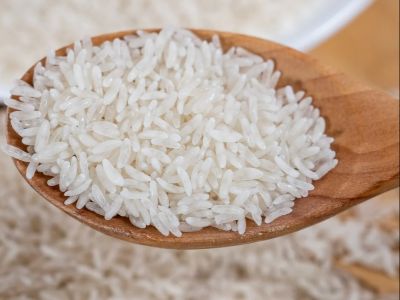
Instant rice is a convenient food option that has gained popularity among consumers and businesses alike. As a B2B buyer, understanding the nuances of instant rice products is crucial for making informed purchasing decisions. This Instant Rice Buying Guide will help distributors, importers, and product managers navigate the various types, nutritional aspects, and cooking tips for instant rice, ensuring they select the best products for their needs.
How to Evaluate the Quality of Instant Rice Products for Distributors?
When evaluating instant rice products, distributors should consider several key factors that determine quality. First, the source of the rice plays a significant role; high-quality rice is typically grown in regions known for their favorable climate and soil conditions. Look for rice varieties that are known for their flavor and texture, such as Jasmine or Basmati, which can enhance customer satisfaction.
Additionally, the processing methods used to produce instant rice are critical. Advanced processing techniques, such as steam cooking and drying, can preserve the nutritional value and flavor of the rice. Ensure that the manufacturer employs modern processing technology, as this can reduce the risk of contamination and enhance product safety.
Finally, quality control processes are essential. Distributors should inquire about the manufacturer’s quality assurance protocols, such as regular testing for contaminants and consistency in product specifications. Certifications, such as ISO or HACCP, can provide additional assurance of the quality and safety of the best instant rice products.
A Buyer’s Guide
When purchasing instant rice, buyers should consider their specific requirements, including product specifications, application suitability, and customization options. Start by identifying the type of healthy instant rice that best suits your target market. For example, some buyers may require organic options, while others may seek fortified products for health-focused applications.
It's also vital to verify packaging options. Instant rice is often available in bulk packaging for food service or retail formats. Ensure that the packaging protects against moisture and maintains product integrity during transport and storage. Understanding the minimum order quantities (MOQs) is equally important, as bulk orders can reduce per-unit costs but may require larger upfront investments.
Buyers should also confirm delivery timelines and shipping logistics, as these factors can impact inventory management. Engaging with suppliers who have experience in international shipping can facilitate smoother transactions and minimize delays.
Key Specifications to Look for in Instant Rice for Health Applications
In the health food sector, specific nutritional specifications are paramount. Buyers should look for instant rice products that provide clear labeling of key nutrients, such as fiber, protein, and essential vitamins and minerals. Fortified rice, which contains added nutrients like iron and folic acid, can be particularly beneficial for health applications, including infant nutrition and dietary supplements.
Another important specification is the glycemic index (GI) of the rice. Lower GI options are often preferred for health-conscious consumers, as they provide a slower release of glucose into the bloodstream. It’s advisable for buyers to request detailed nutritional information from manufacturers to ensure that the instant rice meets the dietary needs of their target consumers.
Furthermore, understanding allergen information is crucial. Buyers should confirm that the instant rice is free from common allergens or cross-contamination risks, especially if catering to sensitive consumer groups.
Understanding the Cost Factors of Instant Rice for Importers
Importers must navigate various cost factors when sourcing instant rice products. The price of raw materials, particularly rice, can fluctuate based on market conditions, climate impacts, and supply chain issues. Understanding these dynamics can help importers negotiate better pricing with suppliers.
Additionally, processing costs can significantly affect the final price. Advanced processing techniques may require higher initial investments but can result in superior product quality and longer shelf life, which may justify the cost. Importers should evaluate whether the additional expense aligns with their market positioning and customer expectations.
Shipping and customs duties also play a critical role in overall costs. It's advisable for importers to work with suppliers who have established logistics channels to mitigate delays and unexpected tariffs. Being aware of these factors can help importers make more informed purchasing decisions and maintain competitive pricing in their markets.
Common Problems Faced with Instant Rice and Their Solutions
Buyers of instant rice may encounter several common issues, such as inconsistencies in product quality, packaging failures, or supply chain disruptions. One prevalent problem is the risk of undercooked rice due to improper processing or storage. To mitigate this, buyers should always request samples and conduct cooking tests to ensure that the rice meets their performance expectations before committing to larger orders.
Another common issue is the shelf life of instant rice. Buyers should verify that the manufacturer provides clear information on expiration dates and storage recommendations. Proper storage conditions are crucial; rice should be kept in a cool, dry environment to prevent spoilage.
Lastly, communication with suppliers is vital. Establishing a strong relationship with manufacturers can facilitate quicker resolutions to any issues that may arise, such as product recalls or quality concerns. Buyers should maintain open lines of communication to ensure that any problems are addressed promptly and effectively.
By understanding these aspects of instant rice, B2B buyers can make informed decisions that align with their business goals and customer expectations.