 EN
EN

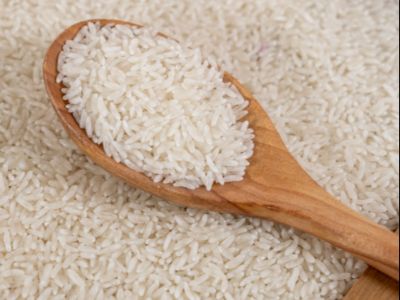
Instant rice, a quick and convenient staple in many households, is also gaining traction in health-focused food markets. However, as buyers in the B2B sector evaluate its suitability for health foods, key questions arise: is instant rice healthy? This comprehensive analysis on the nutrients of instant rice will address the nutritional benefits it offers, how to assess its quality for bulk purchases, essential specifications to consider, common challenges buyers might encounter, and effective sourcing strategies for manufacturing and distribution needs.
What Nutritional Benefits Does Instant Rice Offer for Health Foods?
Instant rice is a processed form of rice that offers several nutritional advantages, particularly for health foods. It retains the essential nutrients found in whole grains, including carbohydrates, fiber, and some proteins. When produced with minimal processing, cooking instant rice can be a good source of B vitamins, such as niacin and thiamine, which play crucial roles in energy metabolism.
However, it’s essential to note that the nutritional profile can vary significantly based on the type of rice used and the processing method. For instance, brown instant rice retains more nutrients compared to white instant rice, as it includes the bran and germ layers. This means it typically has higher fiber content, which is beneficial for digestive health and can contribute to a feeling of fullness.
Furthermore, buyers should be aware of the potential for added preservatives or sodium in some instant rice products, which could detract from their health benefits. Reviewing ingredient labels and nutritional information is crucial for ensuring that the product aligns with health food standards.
How to Evaluate the Quality of Instant Rice for Bulk Purchase Decisions
Quality evaluation is critical when considering bulk purchases of instant rice. Start by requesting samples to assess the product's appearance, texture, and cooking characteristics. Key factors to examine include the grain size, color uniformity, and any signs of damage or impurities.
Another important consideration is the moisture content. High moisture levels can lead to spoilage and affect shelf life. A moisture content of around 12-14% is generally acceptable for long-term storage. Additionally, inquire about the supplier's quality control processes—ensuring they have rigorous testing protocols in place is vital for maintaining consistent quality.
Buyers should also evaluate the supplier's certifications. Certifications such as HACCP (Hazard Analysis Critical Control Point) or ISO (International Organization for Standardization) indicate adherence to stringent quality and safety standards, providing added assurance regarding product quality.
Key Specifications to Consider When Choosing Instant Rice Products
When selecting instant rice for commercial use, several specifications should be taken into account:
Type of Rice: Determine whether brown, white, or other varieties meet your product requirements. Each type has unique nutritional attributes and cooking properties.
Cooking Time: Instant rice is prized for its quick preparation. Specify the desired cooking time to ensure it meets your production timelines.
Texture and Flavor: The final dish’s quality is influenced by the rice’s texture and flavor. Conduct taste tests to confirm these characteristics align with your product goals.
Packaging: Consider the packaging type that will maintain freshness and prevent moisture absorption. Vacuum-sealed or nitrogen-flushed packages can extend shelf life.
Minimum Order Quantity (MOQ): Understand the supplier’s MOQ to ensure it aligns with your production needs without leading to excess inventory.
Each of these specifications can significantly impact the final product, affecting both its marketability and consumer satisfaction.
Common Problems with Instant Rice and Effective Solutions for Buyers
Several challenges can arise when sourcing instant rice, including variability in quality and potential supply chain disruptions. One common issue is inconsistency in cooking performance, where some batches may cook unevenly or produce a gummy texture. Buyers should ensure that they receive consistent quality through regular quality checks and by maintaining a solid relationship with their suppliers.
Another problem is the risk of spoilage due to improper storage conditions. It is crucial to confirm that the supplier adheres to proper storage and transportation guidelines. Packaging that protects against moisture and pests is essential.
To mitigate these risks, buyers should implement a robust inspection process upon receiving shipments. Conducting regular quality assessments and maintaining open communication with suppliers can help address issues before they escalate.
How to Source Instant Rice for Manufacturing and Distribution Needs
Sourcing instant rice effectively involves understanding your specific manufacturing and distribution requirements. Begin by identifying reliable suppliers with a proven track record in the industry. Research their production capabilities, certifications, and quality control processes to ensure they meet your standards.
When preparing an RFQ (Request for Quotation), provide detailed specifications, including the type of rice, desired quantities, packaging preferences, and delivery timelines. This clarity helps suppliers offer the most accurate quotes and minimizes the back-and-forth during negotiations.
Additionally, consider the geographical location of suppliers. Proximity can reduce transportation costs and lead times, which are critical factors in maintaining a smooth supply chain.
Finally, don't overlook the importance of building strong partnerships with suppliers. Establishing a good rapport can lead to better pricing, more favorable contract terms, and improved responsiveness to your needs. By following these strategies, buyers can navigate the complexities of sourcing healthy instant rice, ensuring they procure a quality product that meets their manufacturing and distribution objectives.
Table of Contents
- What Nutritional Benefits Does Instant Rice Offer for Health Foods?
- How to Evaluate the Quality of Instant Rice for Bulk Purchase Decisions
- Key Specifications to Consider When Choosing Instant Rice Products
- Common Problems with Instant Rice and Effective Solutions for Buyers
- How to Source Instant Rice for Manufacturing and Distribution Needs