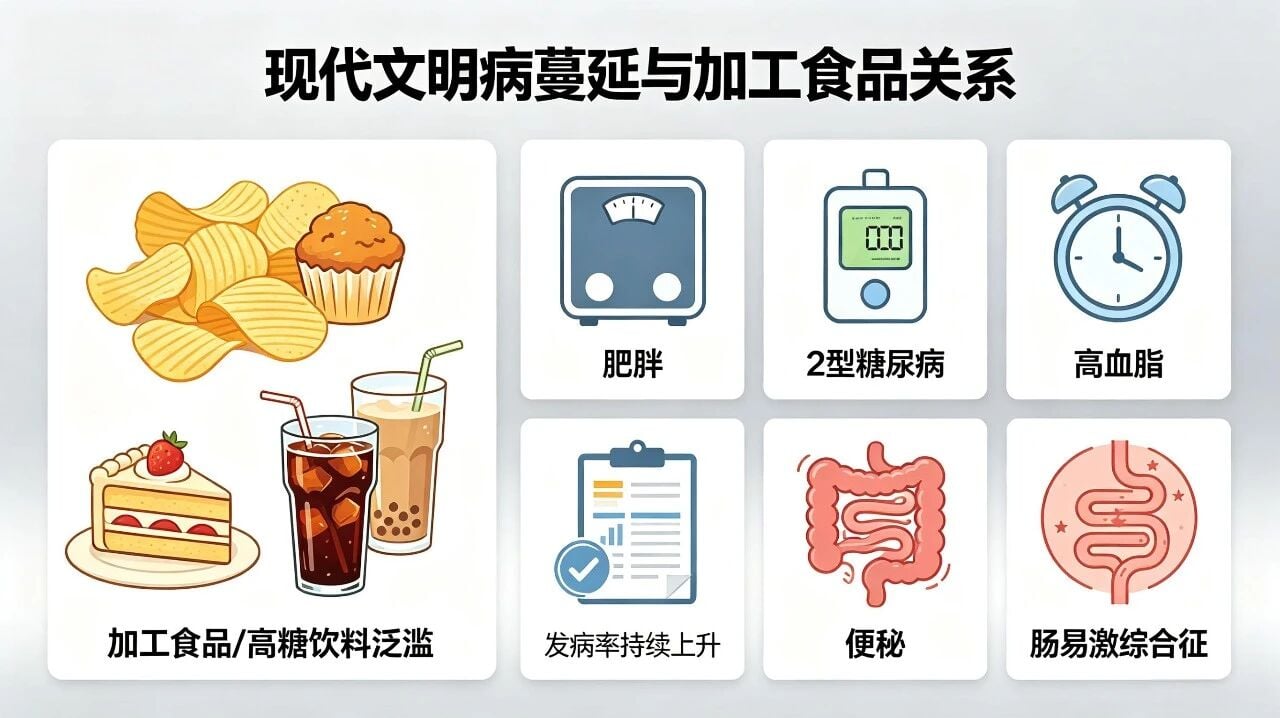
Today, our dining tables are more abundant than in any previous era, yet our bodies are heavier than ever. Under the deluge of processed foods and high-sugar beverages, "diseases of modern civilization" such as obesity, type 2 diabetes, hyperlipidemia, constipation, and irritable bowel syndrome (IBS) are spreading at an unprecedented rate. Data from the World Health Organization shows that less than 30% of the global population meets the recommended daily intake of dietary fiber, while the average intake of Chinese citizens falls far below the recommended value.
A long-term low-fiber diet deprives the gut microbiota of the "fuel" they rely on for survival, triggering microbial imbalance, damaged intestinal barriers, and chronic low-grade inflammation. This, in turn, becomes a breeding ground for metabolic disorders and immune dysregulation. At this moment, we are forced to ask ourselves a recurring question: beneath the surface of "overnutrition," are we actually experiencing another form of "hidden hunger"?
The high-fiber diet represents an awakening of eating habits that returns to the very origins of life. On one end, it connects with the forefront of modern nutritional science—gut microecology research; on the other end, it is deeply rooted in the millennial wisdom of the Eastern medical classic, Huangdi Neijing (The Yellow Emperor's Inner Canon), which states: "The five grains provide nourishment; the five fruits provide assistance; the five domestic animals provide benefit; the five vegetables provide replenishment." Its core lies in constructing a dietary system that is truly rooted in Eastern agricultural civilization, respects the evolution of human genes, and can calmly cope with the challenges of modern life.
When the human body consumes an adequate amount of dietary fiber daily (the World Health Organization recommends at least 25–35 grams per day), a quiet "gut revolution" takes place.
First, the structure of the gut microbiota is significantly optimized—the ratio of Firmicutes to Bacteroidetes (F/B ratio) begins to decline, which is an important indicator of metabolic improvement. Concurrently, the abundance of beneficial "indigenous" residents such as Bifidobacterium and Lactobacillus increases substantially, and rising stars like Akkermansia muciniphila (AKK bacteria) also begin to flourish.
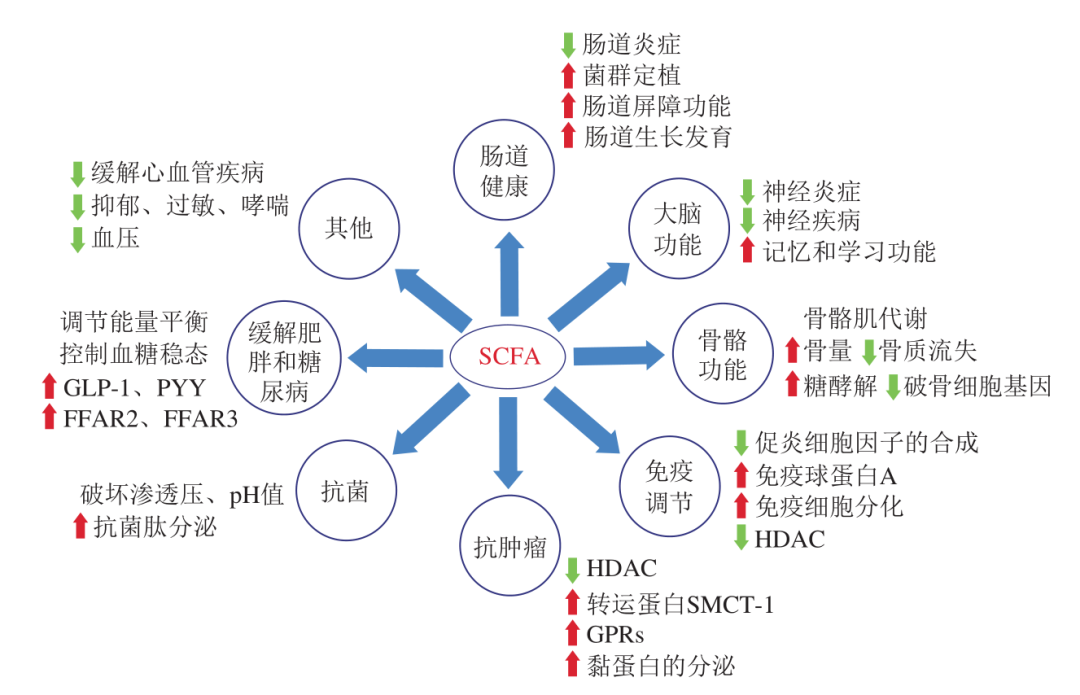
Their metabolic activities convert fiber into short-chain fatty acids (SCFAs) with potent biological activities. In particular, the levels of butyric acid—the "primary fuel" for intestinal epithelial cells—rise significantly. The result is the strengthening of the intestinal barrier, a systemic reduction in inflammation levels, and the reconstruction of immune homeostasis.
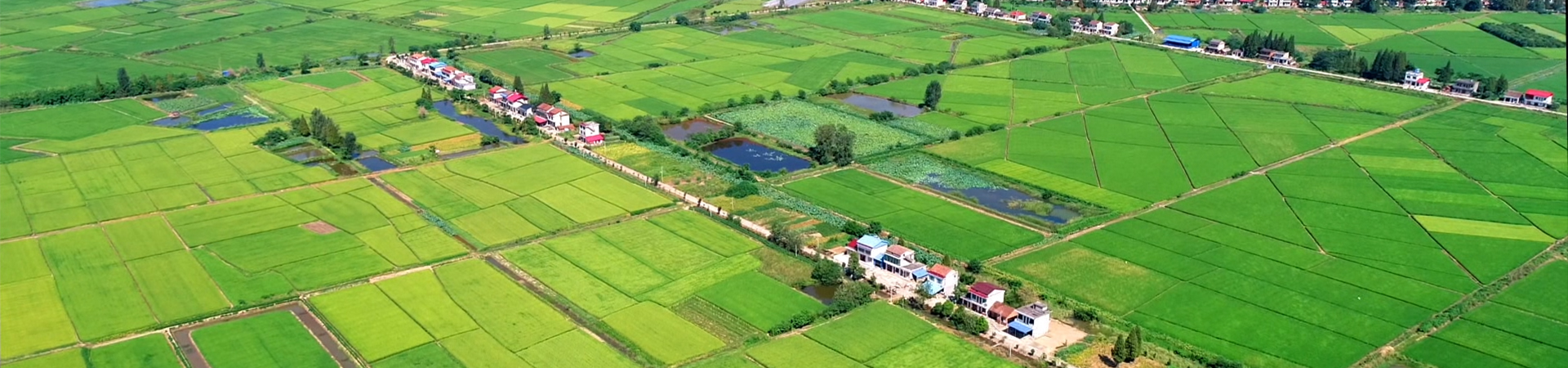
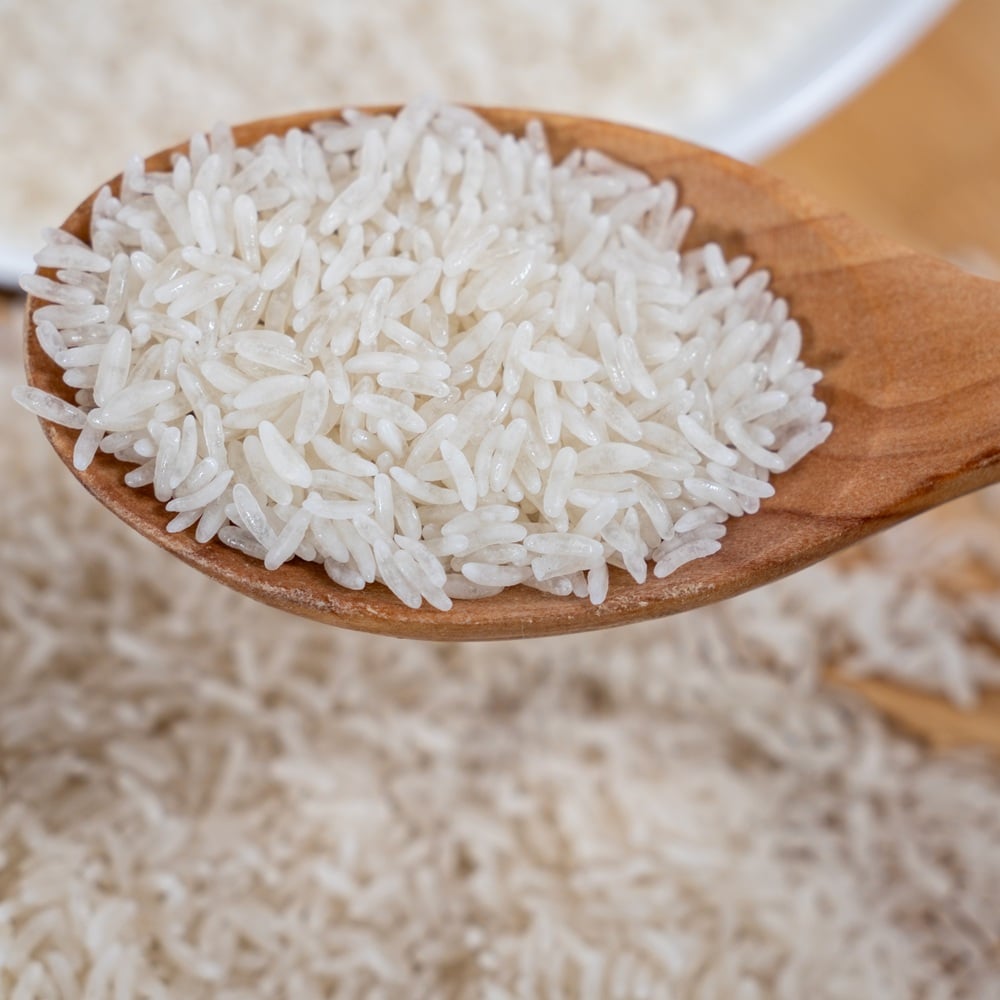
As the "leader of the five grains," rice has been the core of the Chinese staple diet for thousands of years. Rice dietary fiber is a natural, high-quality dietary fiber born out of rice, making it the fiber source that best fits the dietary genes of the Chinese people and adapts to the Eastern physique.
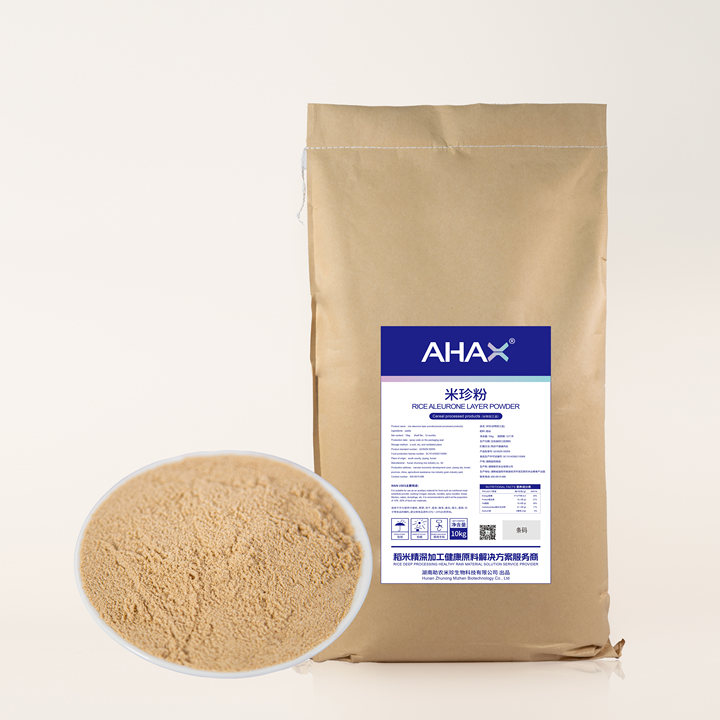
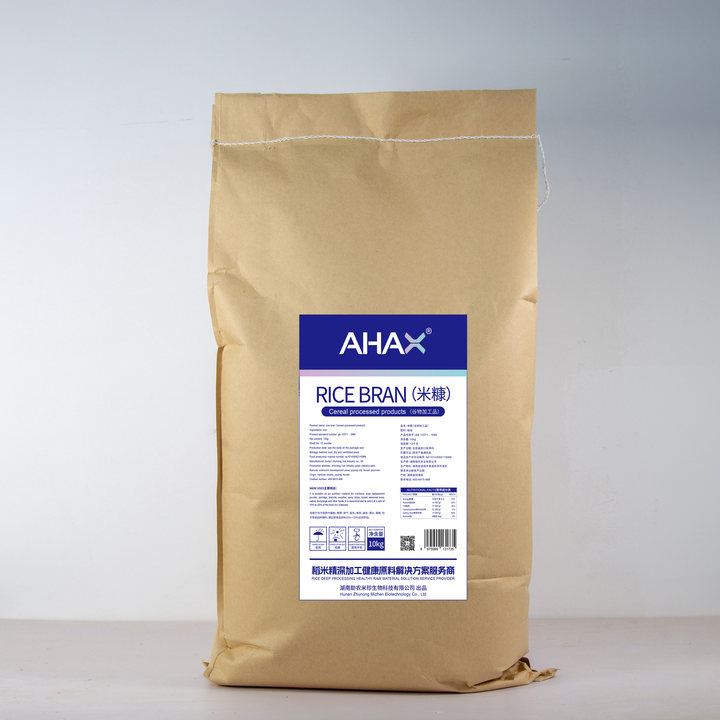
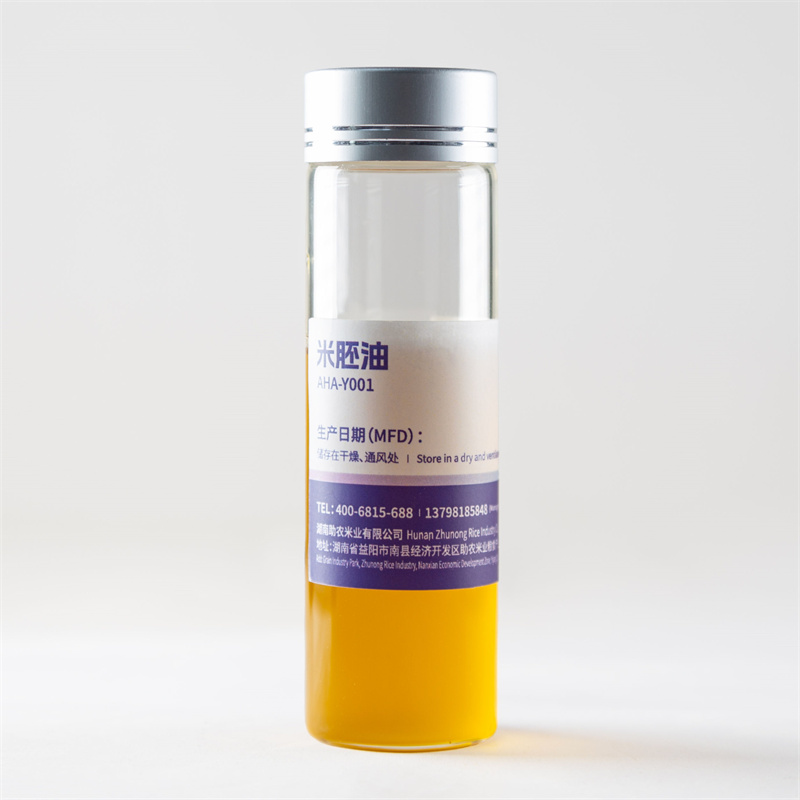
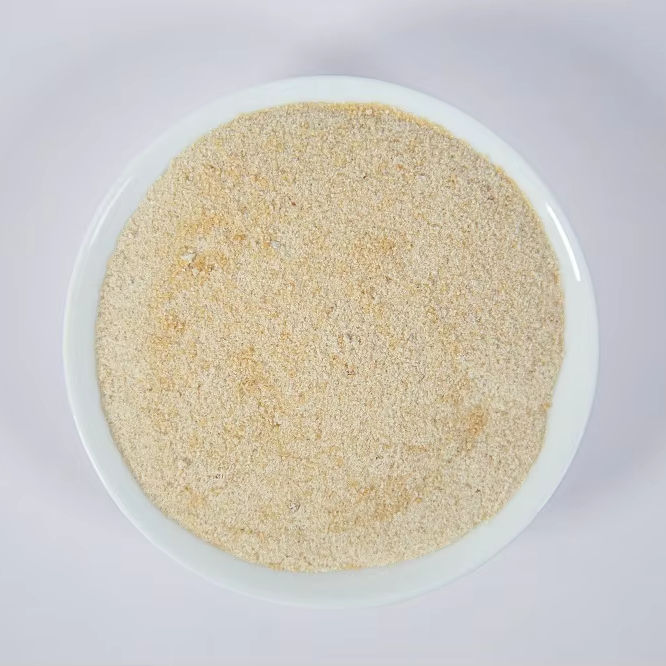
Rice dietary fiber is mainly extracted from the rice bran layer and germ of paddy rice. It is the core nutritional component that is heavily lost during the precision processing of rice. Distinct from synthetic fibers, it is a pure natural, hypoallergenic, and gluten-free plant dietary fiber, suitable for long-term consumption by the vast majority of people.
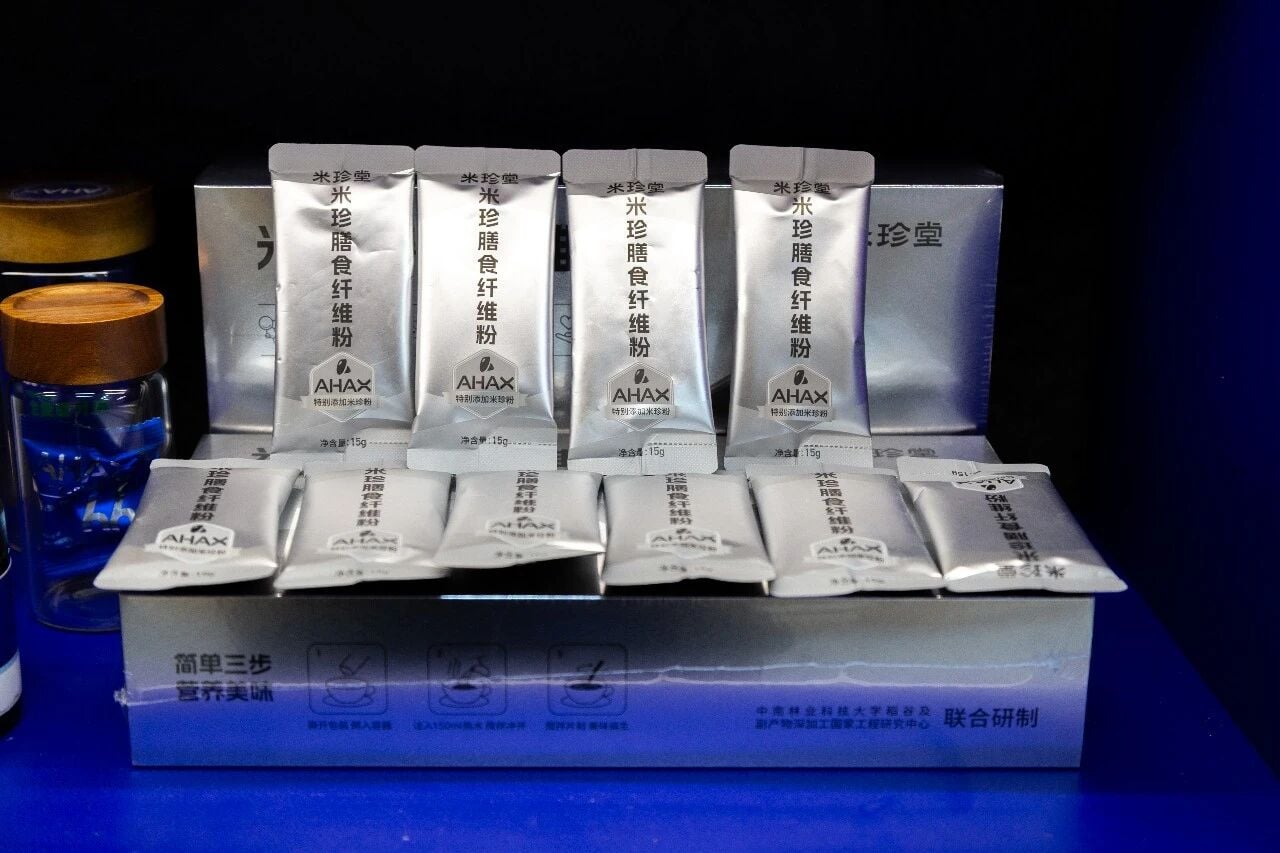
Cellulose and Hemicellulose: These constitute the primary skeleton of rice hulls and rice bran. Being water-insoluble, they act as a "natural broom" that increases the physical volume of stool, mechanically stimulates intestinal peristalsis, and shortens the residence time of toxic substances in the intestinal tract.
Arabinoxylan and $\beta$-glucan: These types of soluble fiber possess high water-holding capacity and viscosity. They can form a gel matrix in the digestive tract, delaying the enzymatic hydrolysis of carbohydrates and adsorbing bile acids and cholesterol. They are key contributors to stabilizing postprandial blood sugar and regulating lipids.
Ferulic Acid: A unique bioactive component in rice bran. Although it does not belong to dietary fiber, it often coexists as a complex with fiber. It possesses strong antioxidant capabilities and can synergistically reduce local oxidative stress in the gut, protecting intestinal epithelial cells from free radical damage.
Gentleness and Eastern Adaptability: Compared to coarse fibers like wheat bran, the particle structure of rice dietary fiber is finer, causing less irritation and gas production in the gastrointestinal tract of Eastern populations, resulting in higher compliance.
Dual-Regulation Function: Insoluble fiber promotes physical evacuation, while soluble fiber acts as a prebiotic to ferment and produce acid. The golden ratio of both naturally coexists in rice processed products, achieving a dual pathway of "physical flushing + biological regulation."
Extensibility of "Medicine and Food Homology": Rice dietary fiber aligns with the Traditional Chinese Medicine concept of "invigorating the spleen and draining dampness." Its efficacy in improving water-dampness metabolism and alleviating loose stools or constipation can be fully explained through modern intestinal water and salt metabolic mechanisms.
Although rice dietary fiber naturally exists in paddy rice, traditional precision milling processes cause it to be almost completely stripped away. How can this "forgotten nutrition" return to the daily dining tables of the Chinese people? This is precisely the core proposition answered by Zhunong Micen.
Grounded in deep processing technology, Zhunong Micen conducts multi-level and multi-dimensional scientific processing on paddy rice, transforming traditional "processing by-products"—rice bran and germ—into high-value nutritional raw materials. Building upon this, through AI-powered precise separation technology, fine grading is performed on the functional components of rice bran, such as dietary fiber, proteins, and lipids, to extract high-purity, high-activity rice dietary fiber. Finally, through scientific formulation and recipe innovation, rice dietary fiber is rationally recombined with other whole grain components to develop whole grain products that are both delicious and nutritious—breaking the consumer perception barrier that "high fiber equals unpleasant taste."
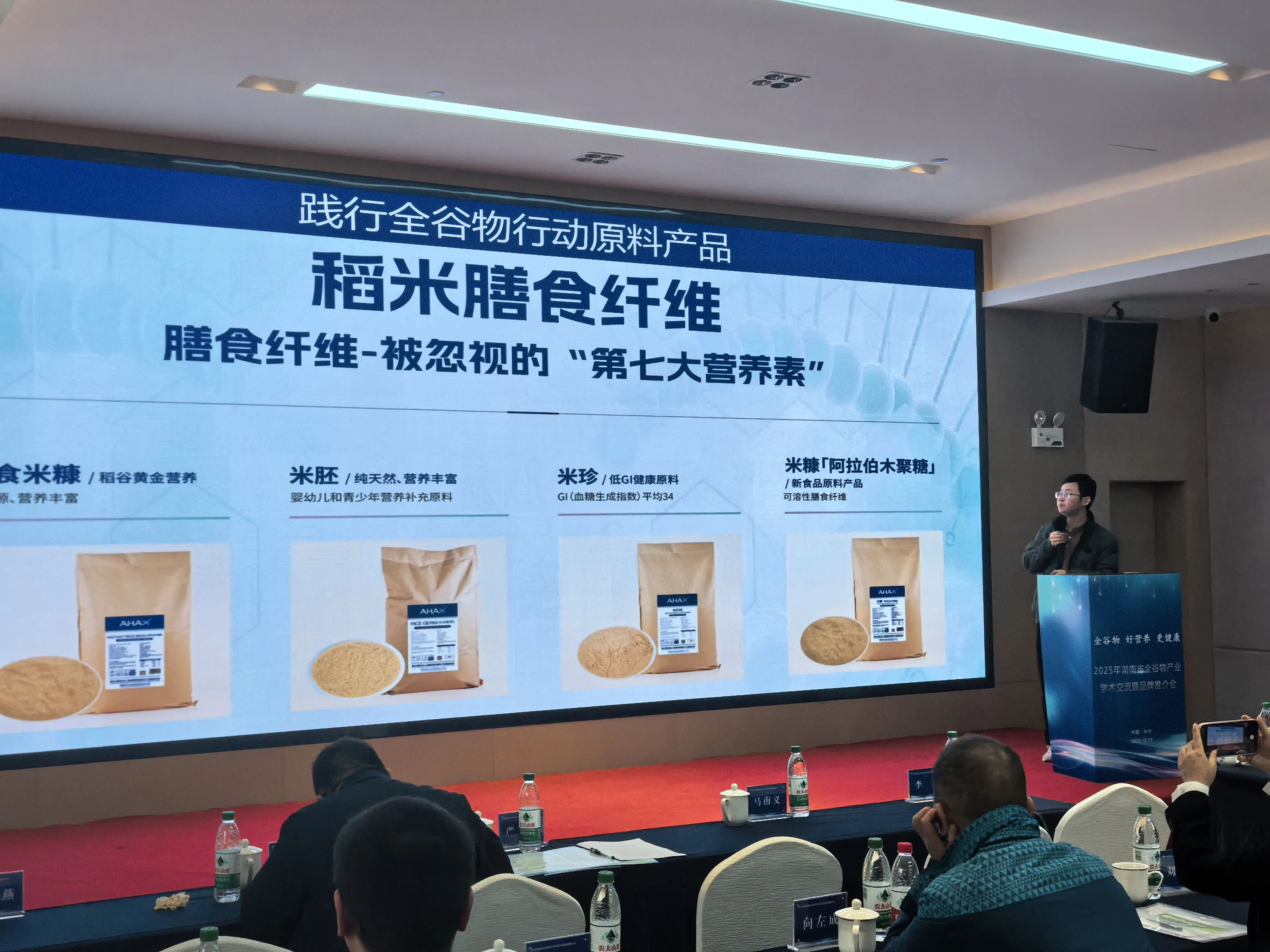
From "a grain of rice" to "a serving of rice fiber," what Zhunong Micen has achieved is not just the opening up of a technological chain, but an conceptual upgrade to traditional grain processing methods: allowing every single grain of rice's full nutrition to be seen, utilized, and treated well. This is not only a step forward for the food industry, but also a modern industrial response to the ancient wisdom of "the five grains provide nourishment"—using the power of technology to restore the true nature of grains, so that the nourishment from the fields can truly nurture the dining tables of thousands of households.
 Hot News
2026-01-20
2025-12-16
2025-12-16
Copyright © Hunan Zhunong Mizhen Biotechnology Co., Ltd. All Rights Reserved - Privacy Policy - Blog
 EN
EN