Have you ever experienced this? Around four or five o’clock in the afternoon, your stomach is growling, you still have a pile of work to finish, and a colleague casually asks, “Is the proposal ready?” Suddenly, you explode with irritation, as if you’ve been set off like a firecracker. Afterwards, you wonder, “I’m usually a calm person. Why did I lose my temper just now?”
Don’t be too hard on yourself. It’s not because you have a bad temper or a personality flaw. It’s actually a physiological phenomenon with a scientific name—"hanger" (being hungry + angry). The term first appeared in a psychology paper in 1956 and was officially added to the Oxford English Dictionary in 2018.
Simply put, hanger is your body sounding the alarm: your blood sugar is running low, and your emotions are slipping out of control.
Why do people become irritable when they are hungry? The reason is simple. During prolonged fasting, glucose levels in the body continue to decline. Large fluctuations in blood sugar directly disrupt the endocrine system and the central nervous system, triggering abnormal secretion of adrenaline and stress hormones. As a result, negative emotions such as anxiety, irritability, and frustration can suddenly become difficult to control.
Therefore, if you want to fundamentally get rid of the tendency to become irritated so easily, stabilizing your blood sugar and supporting gut health are the key solutions.
You may not know this, but the human gut is often referred to as the "second brain." The stomach, small intestine, and large intestine continuously send signals to the brain about hunger, fullness, bloating, and digestive discomfort. All of these signals travel through a dedicated communication network known as the gut-brain axis, which enables two-way communication. About 80% of its nerve fibers carry signals from the gut to the brain, directly influencing how we perceive our emotions. In other words, how your gut feels largely determines how you feel emotionally.
Even more surprising is the fact that the "feel-good chemicals" we often talk about—serotonin and dopamine—are largely produced in the gut. More than 90% of serotonin and over 50% of dopamine are synthesized by the gut microbiota. Serotonin helps relieve anxiety and stabilize mood, while dopamine brings feelings of pleasure and motivation. When your gut microbiota is healthy, these "happiness messengers" are continuously produced. When the microbial balance is disrupted, the production of these neurotransmitters declines, making people more likely to become sensitive, feel down, and experience poor sleep.
So, emotional stability really can be "eaten into existence." The key is whether the food you eat properly nourishes the little "workers" living in your gut.
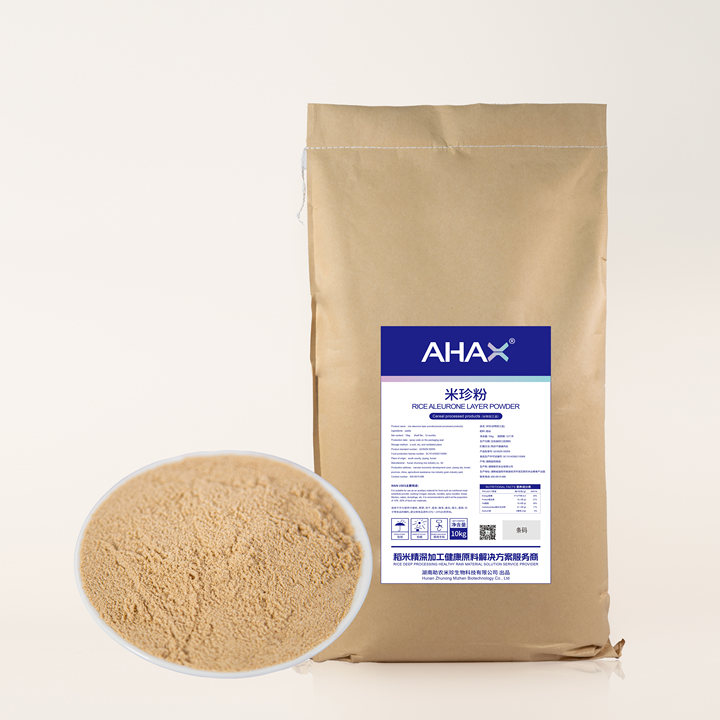
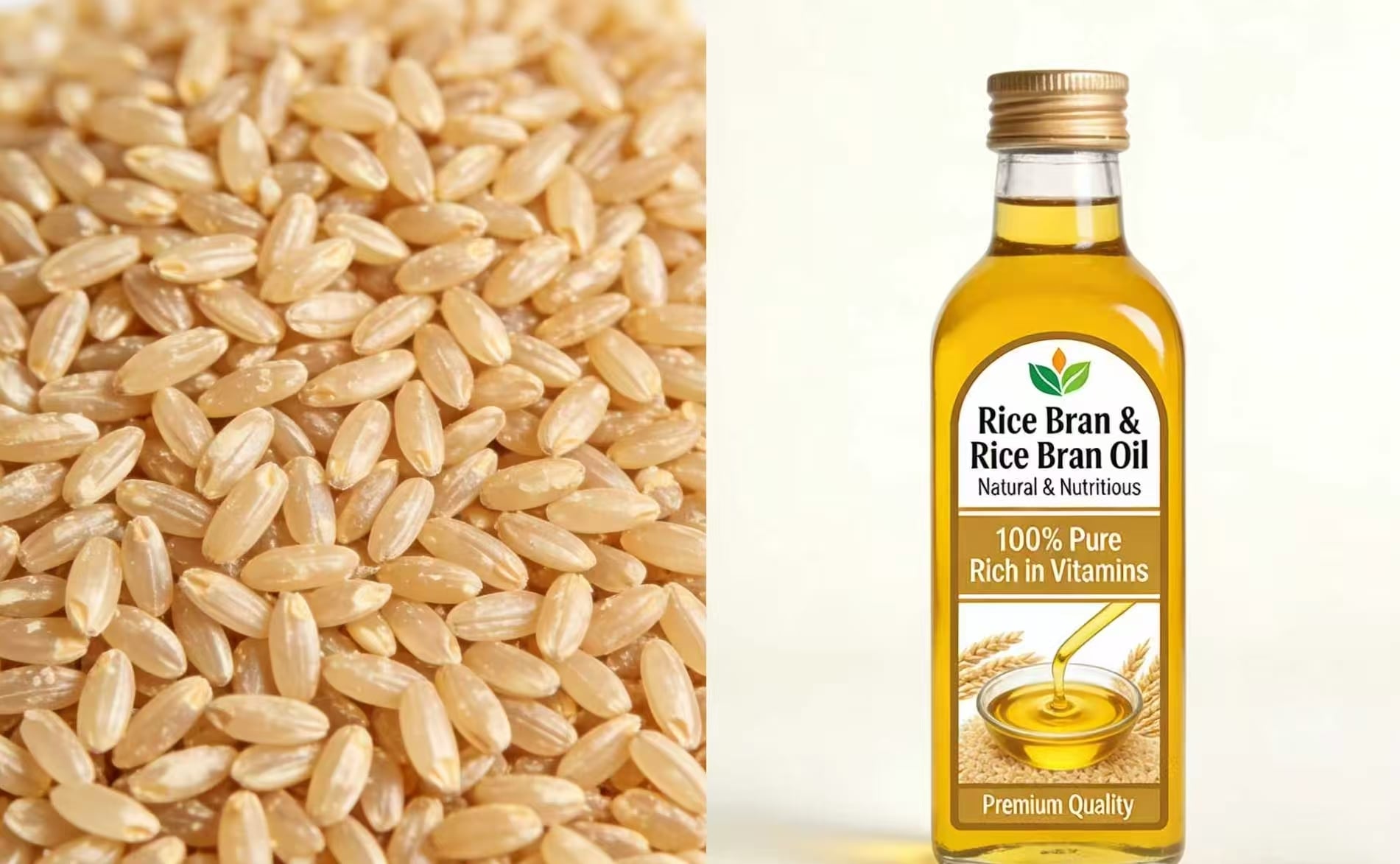
As the staple food that has been passed down for thousands of years, rice is deeply rooted in the dietary habits of Eastern people as an essential source of energy. Rice dietary fiber (also known as rice fiber) is derived from rice itself. It is a natural, gentle, and high-quality source of dietary fiber that is well suited to the digestive systems of Asian populations, making it an excellent choice for supporting blood sugar regulation and maintaining the gut-brain axis.
After entering the stomach, rice dietary fiber absorbs water and forms a gel-like protective layer. This layer surrounds starch granules, slowing carbohydrate digestion and glucose absorption, helping to prevent roller-coaster-like blood sugar fluctuations. It also extends feelings of fullness, reducing the likelihood of experiencing low blood sugar again shortly after eating, thereby helping reduce episodes of hanger at the source.
Rice dietary fiber is not completely digested in the small intestine. Instead, it reaches the colon, where it becomes a dedicated food source for beneficial gut bacteria. Through fermentation, it produces short-chain fatty acids, helping optimize the gut microbiota and promote the growth of beneficial bacteria. A healthy microbial community continuously synthesizes serotonin and dopamine, which transmit calming signals through the gut-brain axis. With long-term consumption, this may help improve irritability and low mood.
Eat well. Choose the right dietary fiber. Let a good mood begin with rice dietary fiber. After all, only a gut that is treated with care can nurture a calm and composed soul.
 Hot News
2026-01-20
2025-12-16
2025-12-16
Copyright © Hunan Zhunong Mizhen Biotechnology Co., Ltd. All Rights Reserved - Privacy Policy - Blog
 EN
EN