Recently, news about sudden cardiac death has repeatedly struck our nerves. Among the many triggering factors, staying up late is undoubtedly one of the hardest habits for modern people to avoid. Everyone knows that staying up late harms the heart, but who can truly go to bed early every day?
So the question arises: when staying up late is unavoidable, is there any way to reduce the damage to the heart as much as possible?
A latest study found that eating a little of it every day may help offset part of the heart damage caused by staying up late. Unfortunately, many people simply do not consume enough.
When dietary fiber is mentioned, most people’s first reaction is “relieving constipation.”
Yes, it is indeed a good helper for the intestines, but cutting-edge research has revealed an even more exciting fact: dietary fiber is also a powerful “heart protection network.”
In March 2026, a study published in the international authoritative journal European Journal of Epidemiology provided people who stay up late with a practical “remedial solution.”
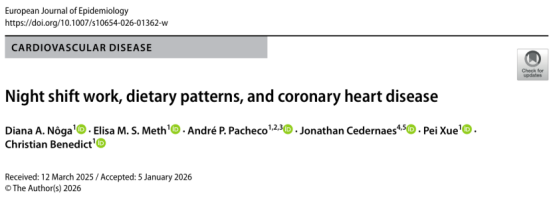
Scientists tracked 222,801 working adults (53.8% female, average age 52.6 years) and reached two key conclusions:
1. Each Additional Gram Lowers Heart Risk Slightly
The study found that for every additional gram of dietary fiber consumed daily, the risk of coronary heart disease decreases by 0.6%. Do not underestimate this number—every extra spoonful of oatmeal or one apple adds protection for your heart.
2. A Precise “Remedy” Plan for Staying Up Late
If you occasionally stay up late or work night shifts:
consuming 15 grams of dietary fiber daily can reduce the risk of coronary heart disease to the same level as those with regular schedules.
If you are a regular night-shift worker:
consuming 19 grams of dietary fiber daily can basically offset the excess coronary heart disease risk caused by night shifts, reducing the risk level to that of daytime workers.
In other words, dietary fiber is like a “super bodyguard” for the heart—when you have to stay up late and exhaust your body, it can help block the most dangerous threats.
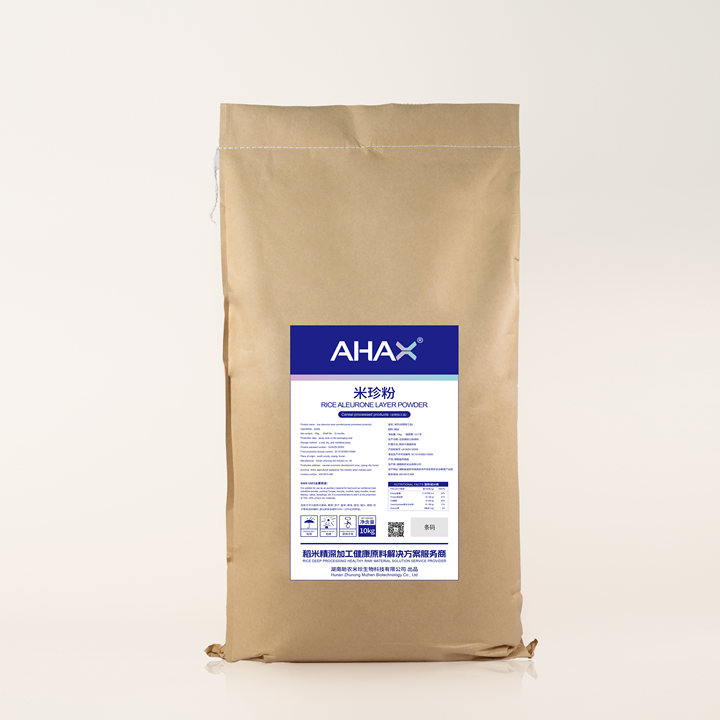
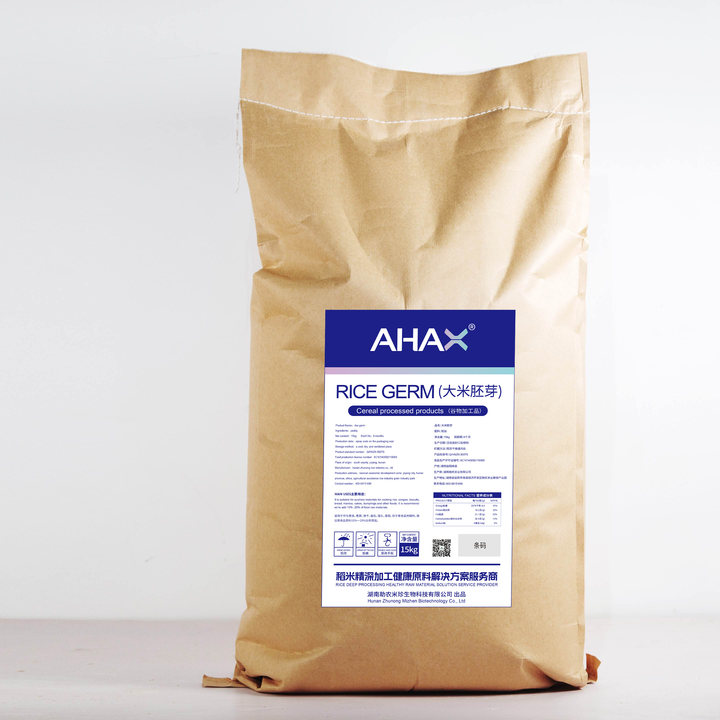
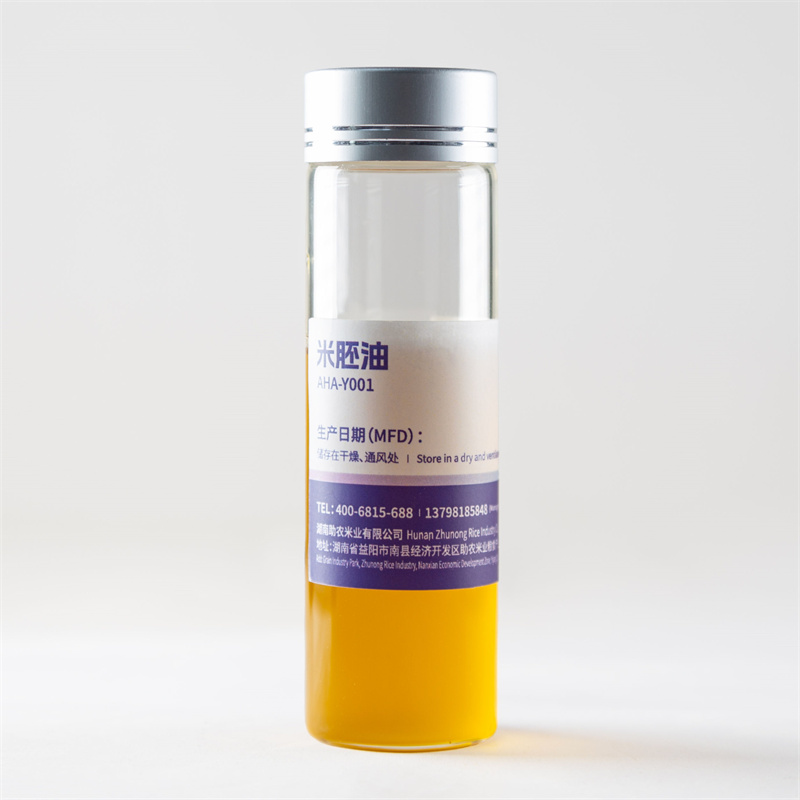
Rice dietary fiber, a natural dietary fiber derived from the aleurone layer and germ of rice grains, has unique advantages such as compatibility with local dietary structures, low allergy risk, and purer nutrition, making it a preferred option for protecting heart health.
At critical moments, how exactly does rice dietary fiber protect the heart?
Adsorbing “Bad” Cholesterol:
Dietary fiber in rice can act like a sponge in the intestines, adsorbing cholesterol excreted with bile and reducing its reabsorption into the bloodstream, thereby lowering the level of “bad cholesterol” (low-density lipoprotein) in the blood. This is the most direct way to protect the heart.
Stabilizing Blood Sugar Fluctuations:
Staying up late can easily cause endocrine disorders and large blood sugar fluctuations. Rice dietary fiber can delay sugar absorption, preventing blood sugar from rising and falling sharply like a roller coaster, thereby reducing pressure on vascular endothelial cells.
Feeding “Good” Bacteria:
It serves as food for beneficial intestinal bacteria (such as Bifidobacteria). When the gut microbiota is healthy, they produce substances such as short-chain fatty acids, which can exert anti-inflammatory effects through the “gut–heart axis,” reducing systemic inflammation levels. Inflammation is one of the core mechanisms of heart damage caused by staying up late.
Since dietary fiber is so important, why do we always consume too little of it?
One major reason is that in traditional nutrition science, dietary fiber has long been regarded as a “functional component” rather than an “essential nutrient.” People generally believe that as long as there is no constipation, consuming it is optional.
However, this concept is being overturned. In January 2026, a major article about dietary fiber was officially published in the top international food journal Nature Food, proposing that dietary fiber should be upgraded to an “essential nutrient.”
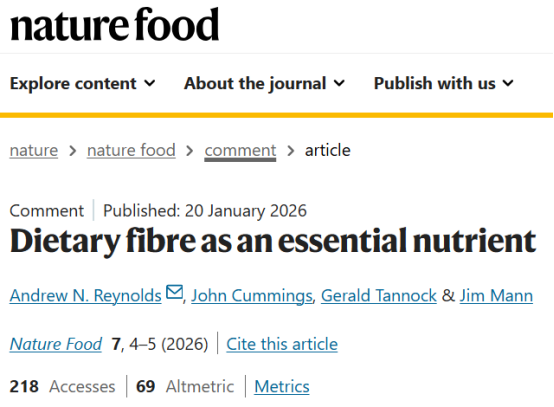
Unlike nutrients such as proteins and lipids that provide energy, dietary fiber does not directly provide energy, but it deeply participates in human metabolism by nourishing gut microbiota, regulating blood sugar and lipids, and suppressing inflammatory responses.
It acts like a “master coordinator” inside the body, maintaining intestinal health and regulating physiological functions. Classifying it as a “mandatory nutrient” is meant to remind the public that it is just as indispensable as proteins and vitamins for sustaining life and health.
Starting today, consider bringing rice dietary fiber into your meals to replenish the “heart-protective energy” your body needs and safeguard the first line of defense for cardiovascular health. Eating correctly and sufficiently every day is more effective than remedies afterward.
For food enterprises, entering the dietary fiber sector not only offers opportunities to expand new markets but also injects momentum into the entire industry toward a healthier and more balanced direction.
 Hot News
2026-01-20
2025-12-16
2025-12-16
Copyright © Hunan Zhunong Mizhen Biotechnology Co., Ltd. All Rights Reserved - Privacy Policy - Blog
 EN
EN