Over the past three years, if you picked up almost any snack or beverage in a convenience store, you would likely spot three letters on the packaging: GI.
Low-GI bread, low-GI rice noodles, low-GI meal replacements, low-GI yogurt, low-GI staples... As "sugar control" has shifted from a niche concern to a mainstream topic, "low-GI" has become one of the hottest labels in the food industry.
Yet, a problem arises: while a label can be printed, actual product performance cannot.
As raw material suppliers, we have witnessed countless such cases: packaging claims "low-GI," but the product fails to meet the standard upon testing; or a single ingredient is indeed low-GI, but the GI value spikes again after being blended with other ingredients. For food companies, a single misstep costs more than just money—it erodes trust within distribution channels.
So, what specific indicators should one look for when selecting low-GI raw materials?
First, look at the data, not the adjectives.
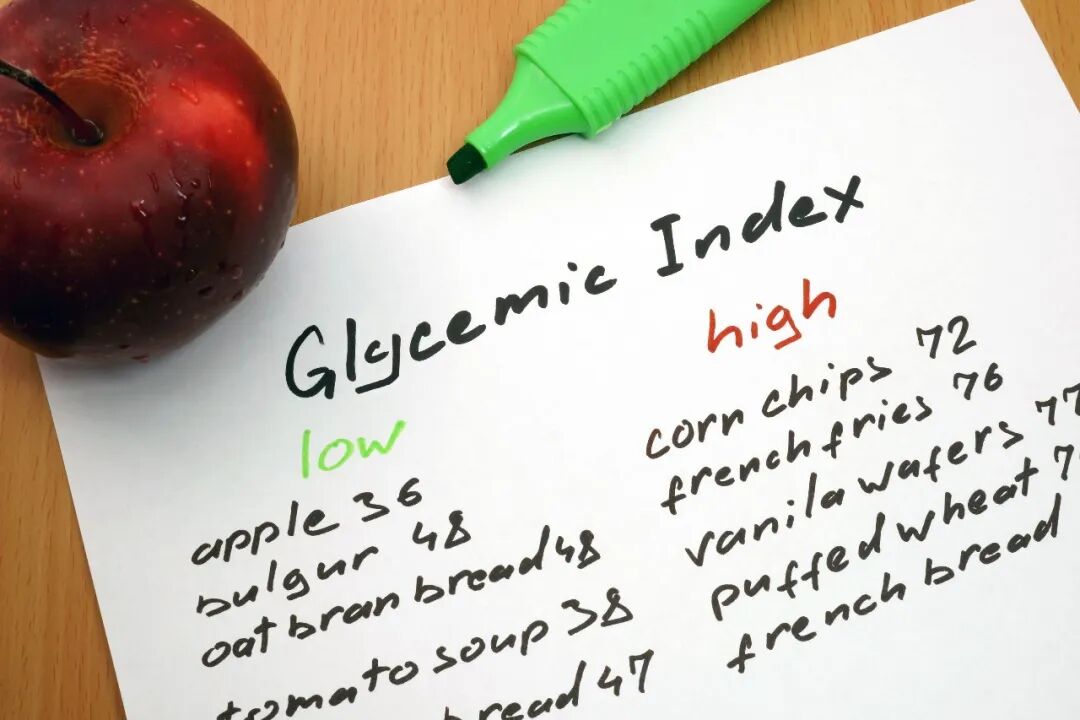
There are clear, internationally recognized standards for low-GI: a food is classified as low-GI if its GI value is 55 or lower. This is not a range defined arbitrarily by companies; it is a result determined through human clinical trials following standardized methods.
Therefore, the first step in determining if an ingredient "makes the cut" is always to request the test report, specific numerical values, the testing methodology, and details of the testing institution. "Low-GI" claims without supporting data are merely marketing copy.
Second, look at the source of the ingredient's GI characteristics.
Low-GI status is not achieved through "additives"; it is determined by the structural properties of the raw material itself.
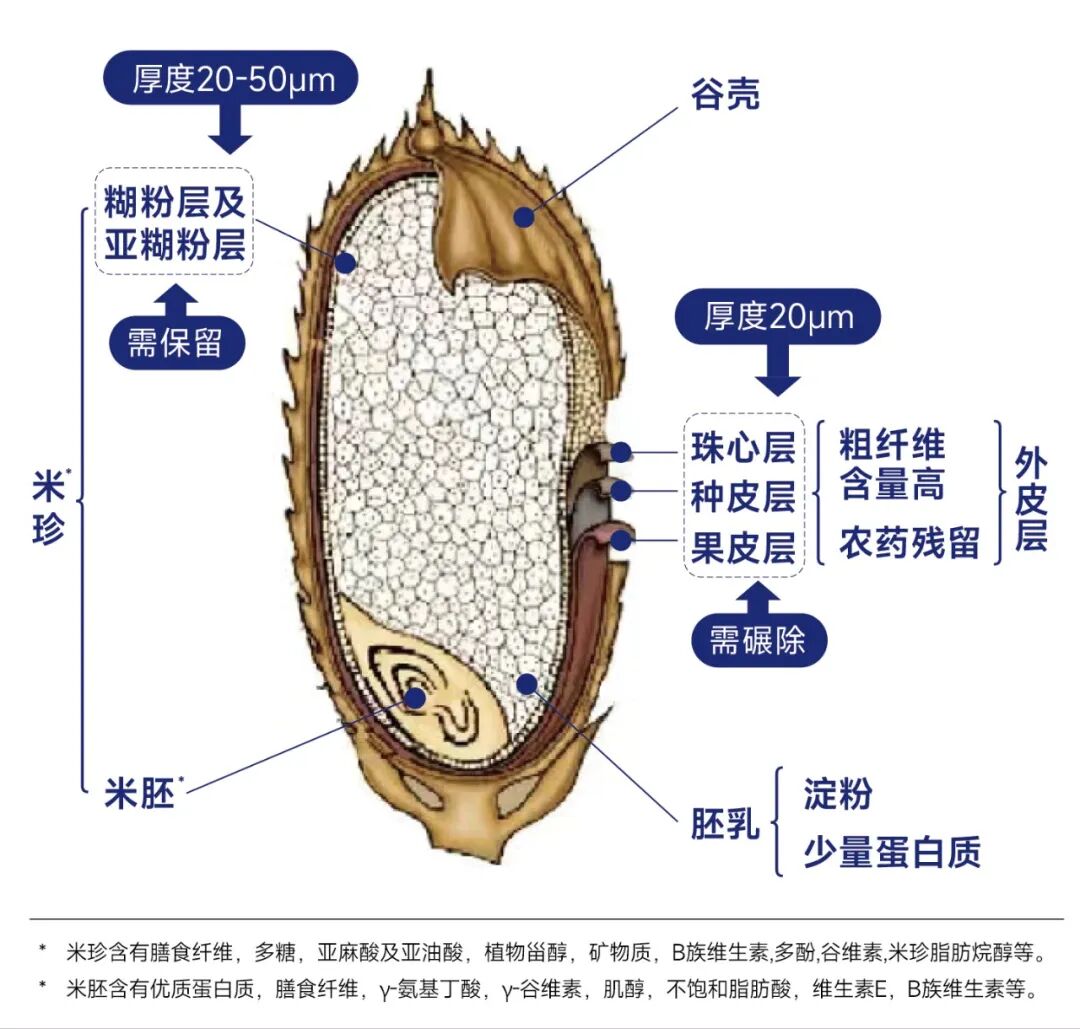
Take rice, for example: its GI value is directly linked to the rate at which starch is digested. The approach taken by Zhunong Mizhen (助农米珍) addresses this from two ends: the source—collaborating with domestic universities on molecular breeding for rice varieties with high resistant starch content; and the processing—using AI-driven precision separation and moderate processing technologies to selectively retain the portions of the rice grain that digest more slowly.
An ingredient's GI profile stems from its structure, not from marketing rhetoric.
Third, look at stability after blending.
This is the aspect most frequently overlooked.
An impressive GI figure for a single ingredient does not guarantee that the final product will meet the standard. Flour, fats, sugar alcohols, dairy products, dietary fiber—the addition of any single ingredient can alter the overall rate of digestion.
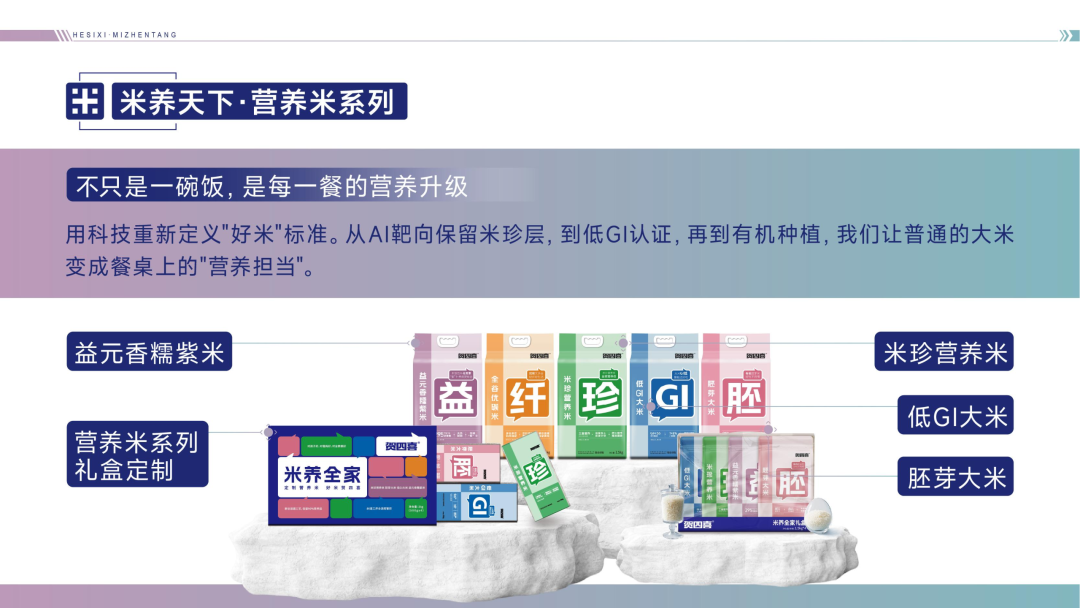
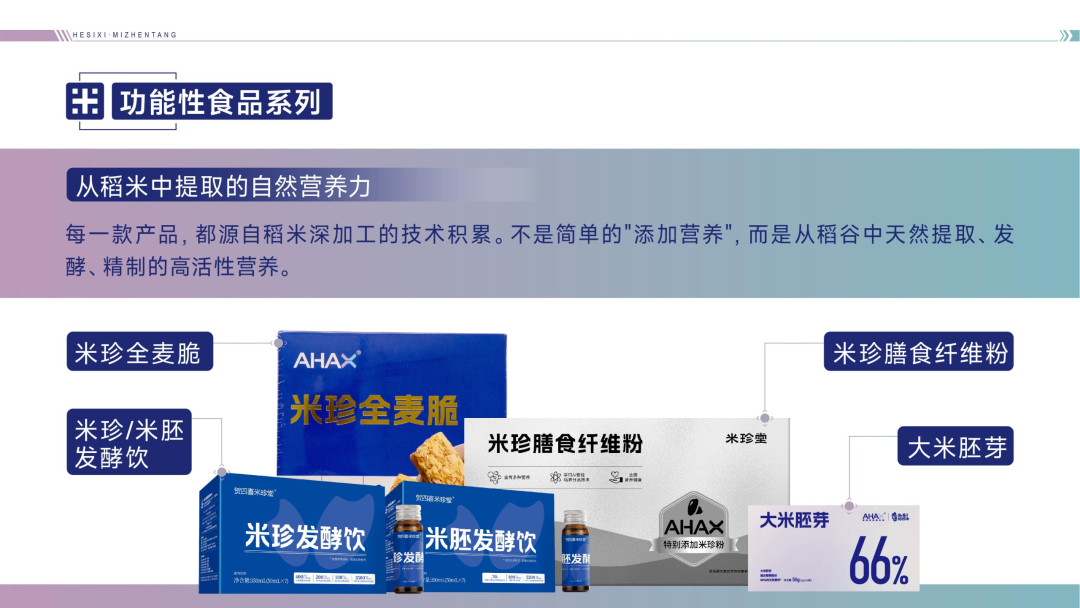
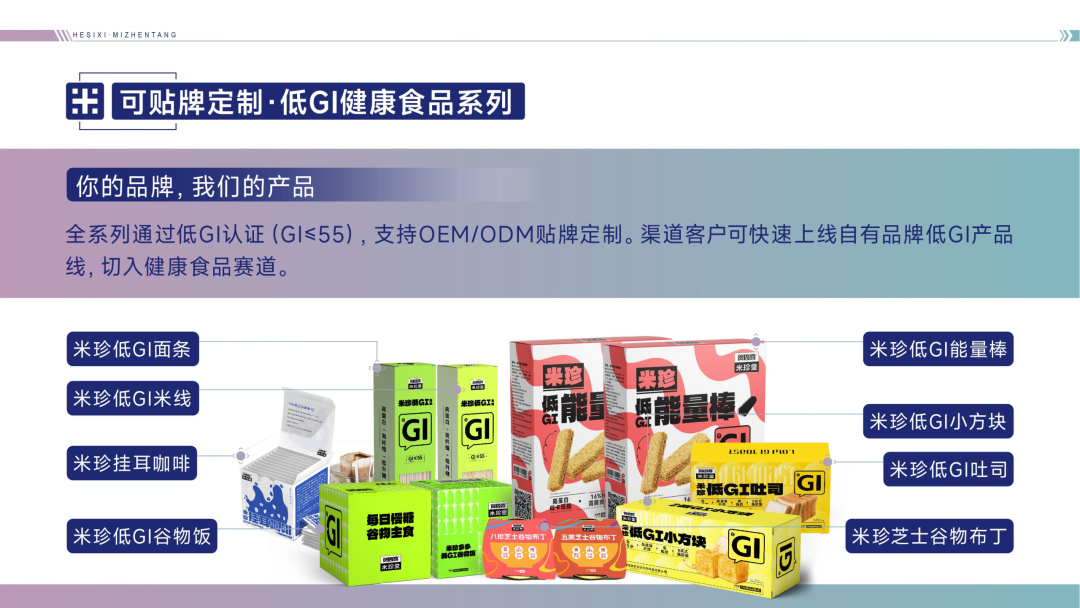
Zhunong Mizhen offers more than just a bag of powder; it provides a comprehensive solution. Leveraging platforms such as the Collaborative Innovation Center for Deep Processing of Rice Bran and the National Engineering Research Center for Deep Processing of Rice and Its By-products, the company focuses on the practical application of slow-release GI (Glycemic Index) formulation technology. It supports target groups—including those managing blood sugar or weight—by providing end-to-end assistance that spans raw material selection, formulation blending, and flavor optimization.
Fourth, consider the balance between taste and shelf life.
The biggest pitfall for low-GI products often lies in the eating experience.
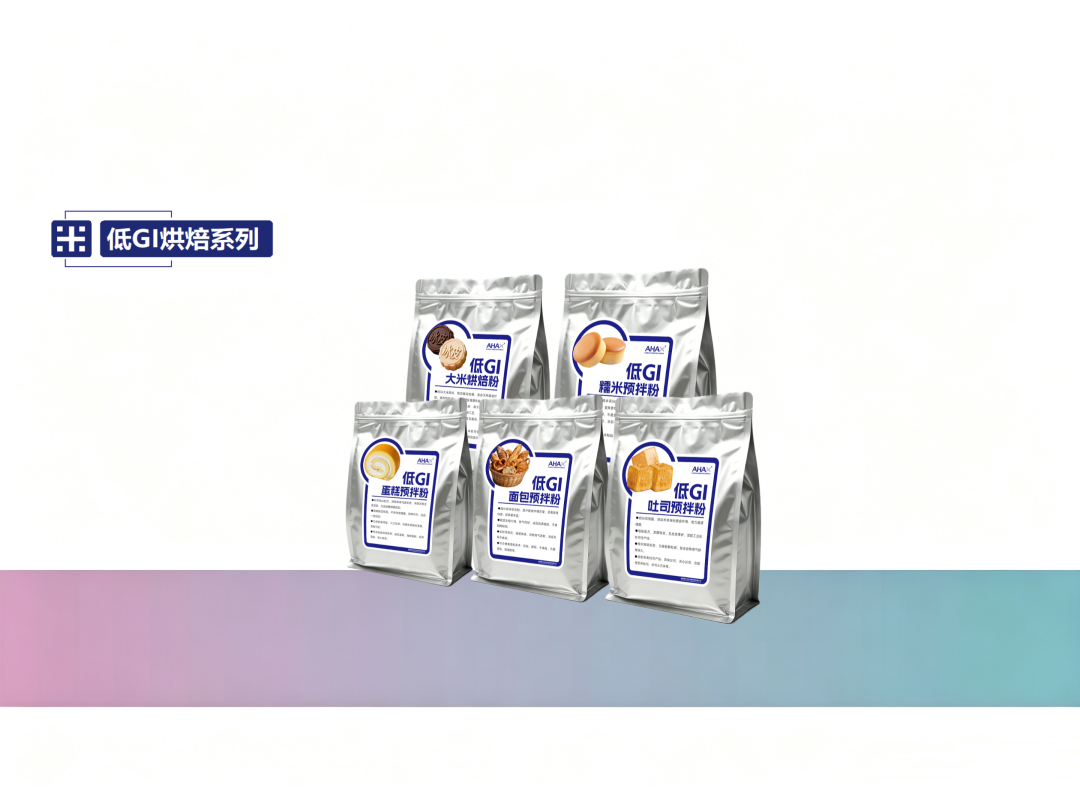
Add too much fiber, and the texture becomes dry and chalky; tweak the formula too aggressively, and the shelf life suffers. Success requires doing the groundwork at the raw material stage—ingredients with different particle sizes and fiber contents perform very differently depending on the end-use scenario. Low-GI baking premixes, low-GI rice flour, low-GI staple food ingredients, and healthy meal-replacement bases each require distinct processing parameters.
Fifth, consider regulatory compliance and "clean label" standards.
Low-GI claims are subject to regulatory boundaries. To label a product as "low-GI," it must meet specific standards and certification requirements; every word on the label must withstand scrutiny.
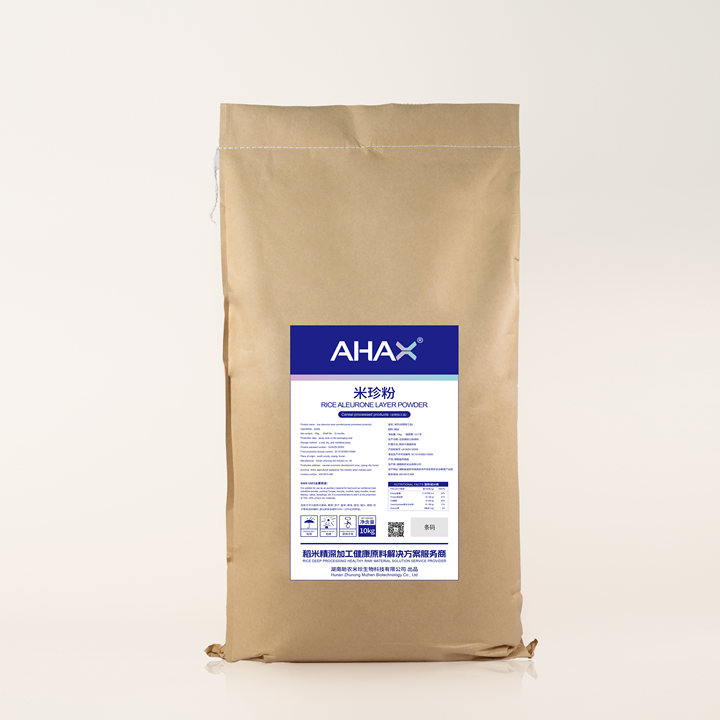
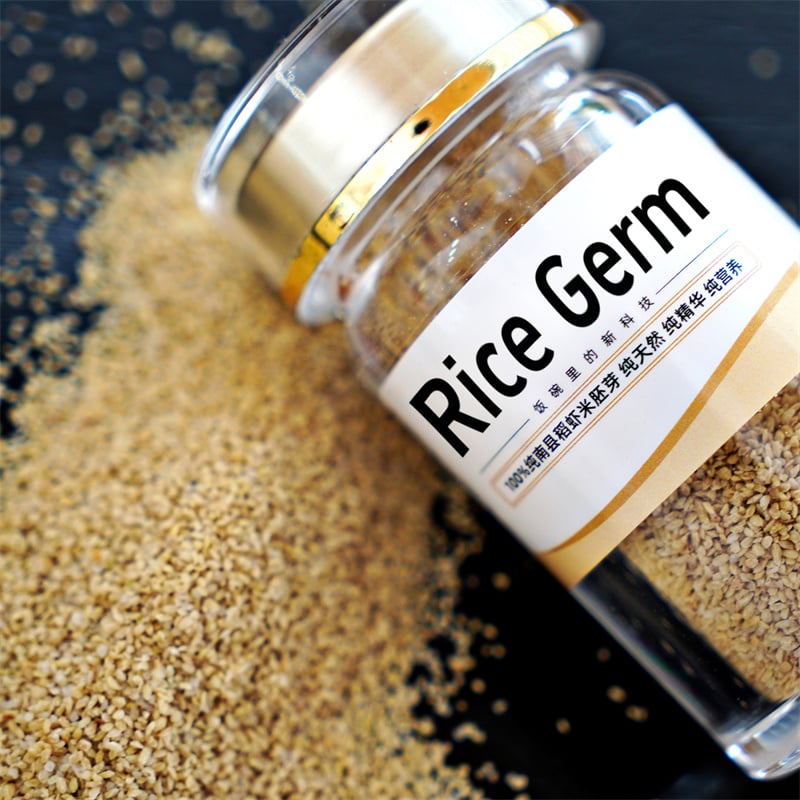
Zhunong Mizhen utilizes patented AI-driven precision separation technology to isolate the germ and aleurone layer from rice, ensuring the raw material retains its natural properties. Combined with comprehensive quality control and compliance testing, this helps clients achieve a truly "clean label"—after all, the shorter the ingredient list, the harder it is to achieve, yet the more convincing the product becomes.
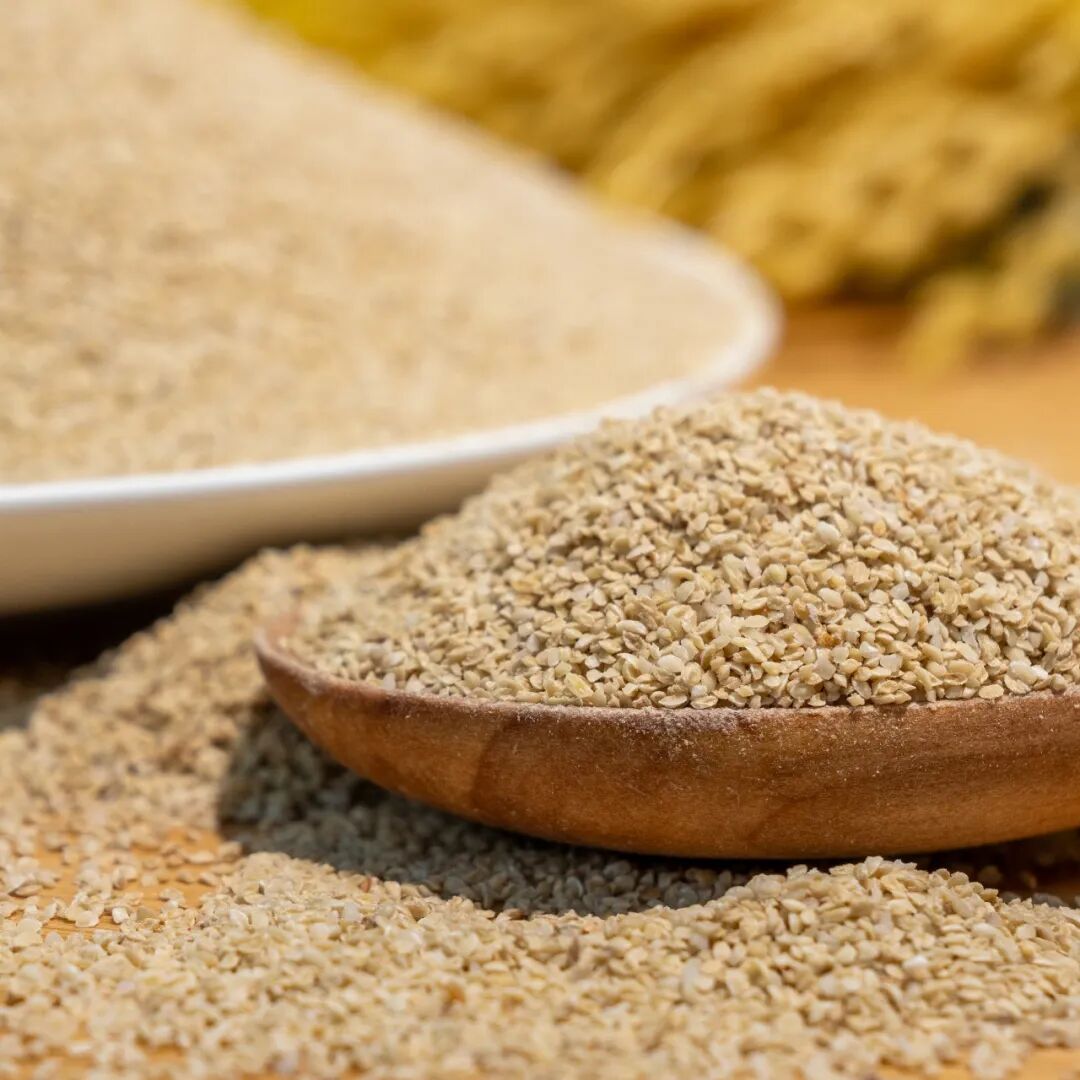
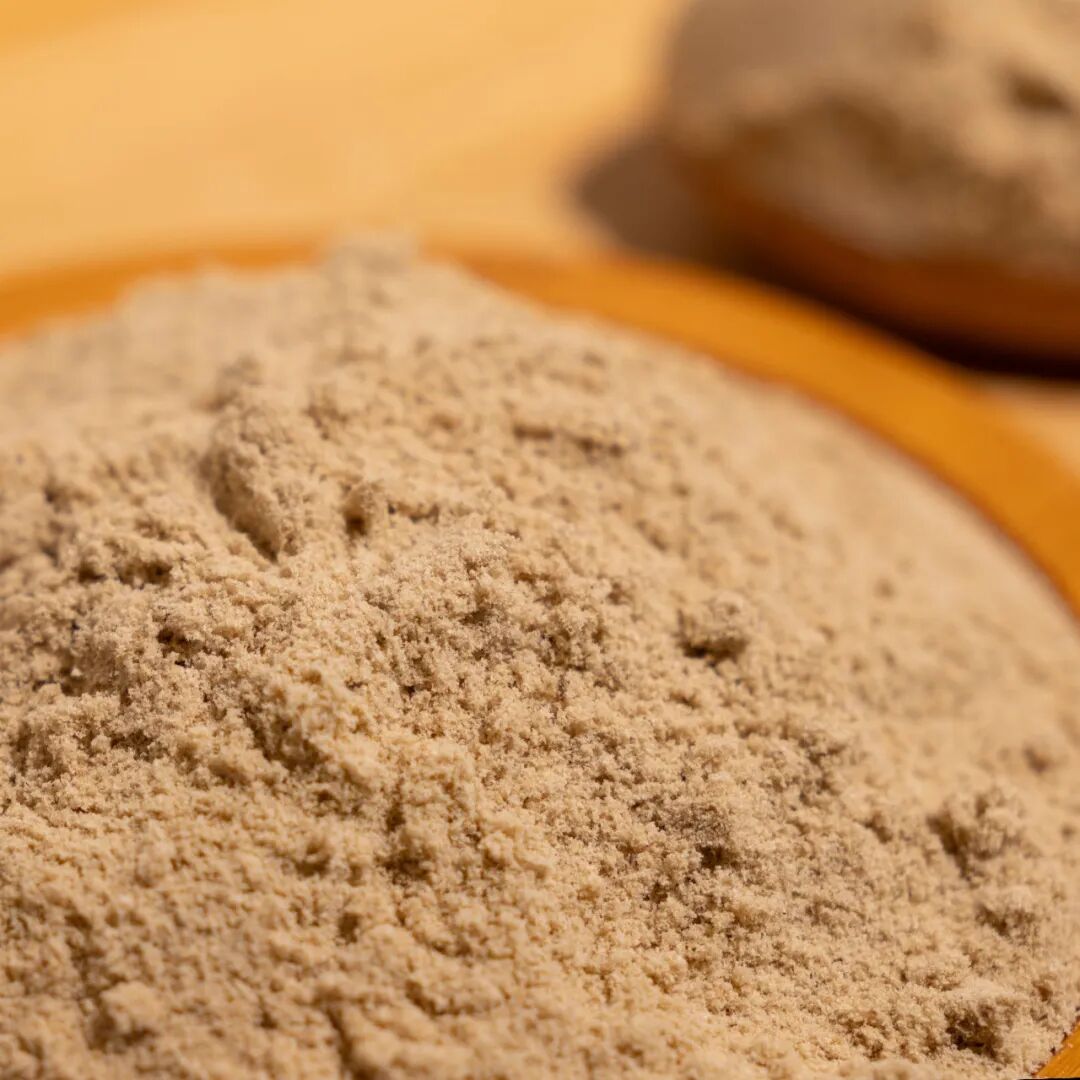
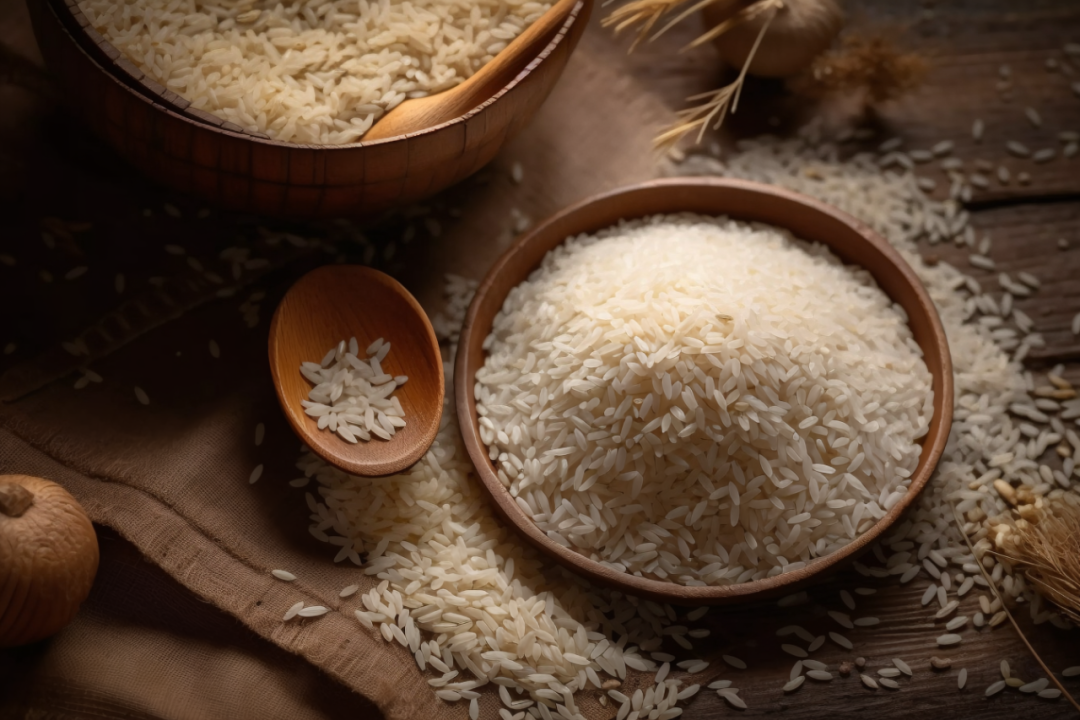
Why rice?
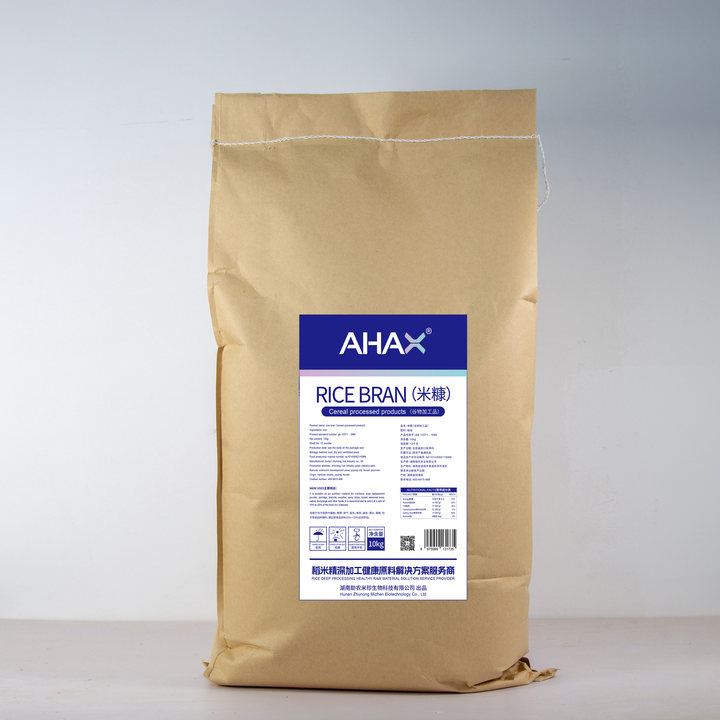
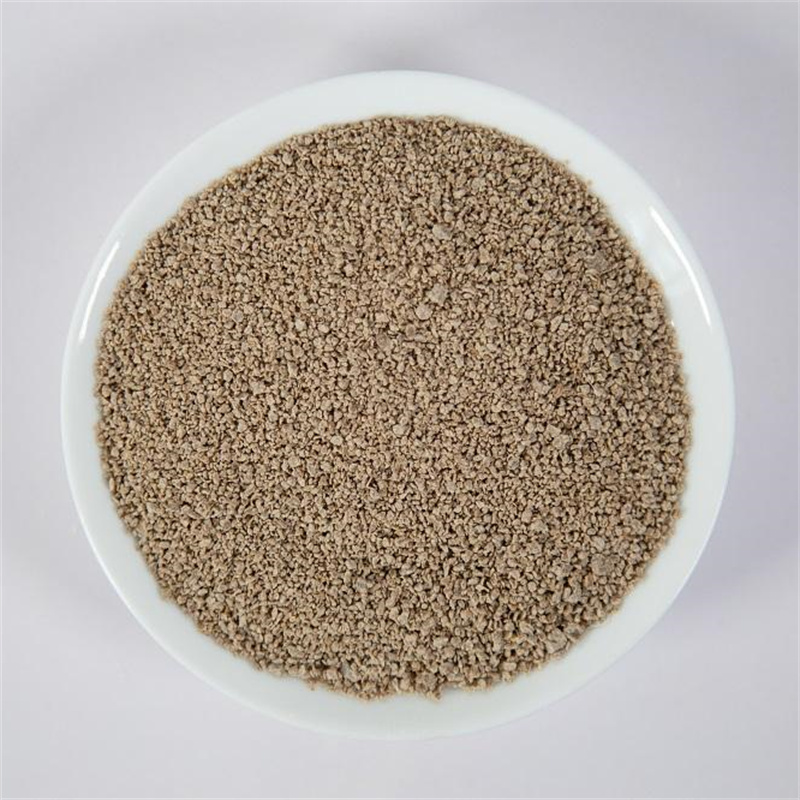
Because it is arguably the grain with the fewest "cultural barriers." Rice is a daily staple in China, Southeast Asia, Japan, South Korea, and among Asian communities in Europe and the Americas. Using rice as a low-GI ingredient offers a triple advantage: high consumer acceptance of its taste, low allergen risk, and a strong foundation of consumer familiarity. Zhunong Mizhen focuses on the high-value utilization of rice by-products, specializing in the deep extraction and functional innovation of natural, healthy ingredients such as rice essence (mizhen), rice bran, and rice germ. We provide one-stop "ingredient-to-market" solutions—covering ingredients, formulations, and market applications—for the baking, infant food, health supplement, and personal care industries.
If you are developing a low-GI product line, please feel free to contact us for samples and custom formulations. Let’s validate the data first—then discuss the concept.
 Hot News
2026-01-20
2025-12-16
2025-12-16
Copyright © Hunan Zhunong Mizhen Biotechnology Co., Ltd. All Rights Reserved - Privacy Policy - Blog
 EN
EN