The Report on Chinese Residents' Nutrition and Chronic Disease Status (2020) shows that the overweight rate among Chinese adults aged 18 and above stands at 34.3%, with an obesity rate of 16.4%. Combined, overweight and obese adults account for more than half of the adult population. The prevalence of hypertension, diabetes and dyslipidemia remains high and is trending younger.
Collectively, these indicators are clinically referred to as "metabolic syndrome", which includes central obesity, insulin resistance, hypertension and dyslipidemia, often accompanied by oxidative stress and chronic low-grade inflammation.
Where lies the root cause? A large part can be found on our dining tables. We consume excessive refined white rice and white flour, while taking far too little whole grains and miscellaneous beans.
Policy Trend: The State Is Advocating Whole-Grain Consumption
In recent years, whole grains have been frequently mentioned in national health documents:
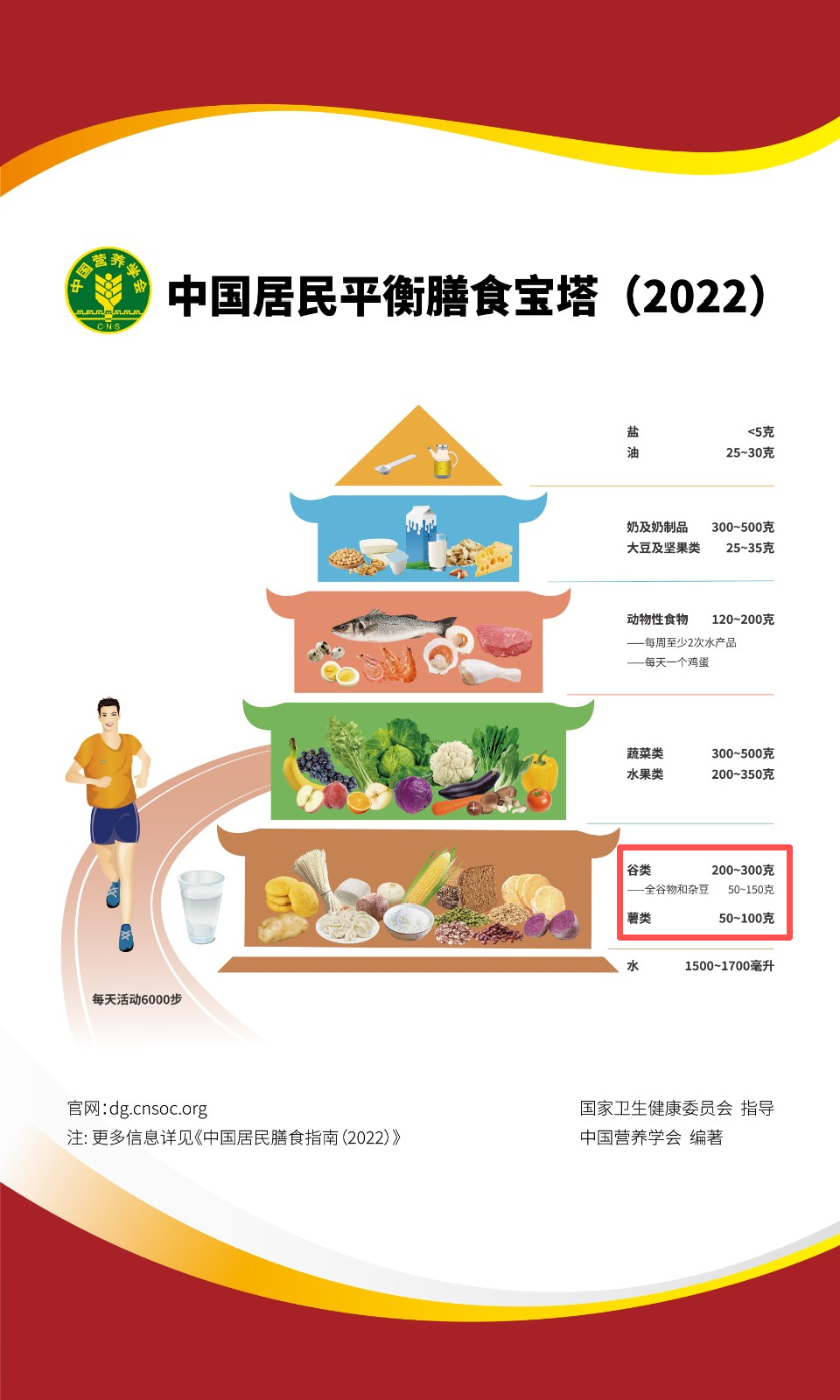
- The Dietary Guidelines for Chinese Residents (2022) recommends a daily intake of 50–150 grams of whole grains and miscellaneous beans;
- The Healthy China Initiative (2019–2030) incorporates increased whole-grain intake into its action targets;
- The National Whole Grain Action Plan (2024–2035) aims to boost the supply and consumption of whole grains to improve residents' nutritional health and food security;
- Almost all dietary health guides released by the National Health Commission in 2024 list whole grains as recommended ingredients.
Therefore, eating whole grains is no longer a niche wellness trend, but a national consensus on public health. What benefits make whole grains so highly valued?
The Merits of Whole Grains: Cooling and Anti-Inflammatory Effects From the Gut to the Whole Body
The benefits of whole grains can be summarized into five aspects, following the logic of their impacts from the gut outward to the entire body:
-
Stabilize blood glucose: Whole grains digest slowly with a low glycemic index, releasing carbohydrates gradually. They help stabilize blood sugar and improve insulin sensitivity.
-
Weight management: Rich in dietary fiber, they deliver strong satiety and reduce overall calorie intake.
-
Cardioprotective and lipid-lowering: Grain polyphenols inhibit LDL oxidation and improve vascular endothelial function, offering tangible protection for the cardiovascular system.
-
Gut nourishment and barrier protection: Dietary fiber acts as fuel for probiotics. Fermentation of fiber produces short-chain fatty acids (butyrate), which repair the intestinal barrier and alleviate systemic inflammation.
-
Antioxidation and anti-inflammation: Active compounds including polyphenols, vitamin E and gamma-oryzanol eliminate free radicals and relieve oxidative stress and chronic inflammation.
Reduced Risk of Chronic Diseases
Abundant epidemiological evidence proves that higher whole-grain intake correlates with lower risks of cardiovascular disease, type 2 diabetes and certain cancers.
Whole grains are far more than just a remedy for constipation. Starting in the gut, they regulate the entire metabolic system by reducing inflammation and restoring physiological balance.
Nutrient Goldmines Discarded During Milling: Rice Aleurone Layer, Rice Bran and Rice Germ
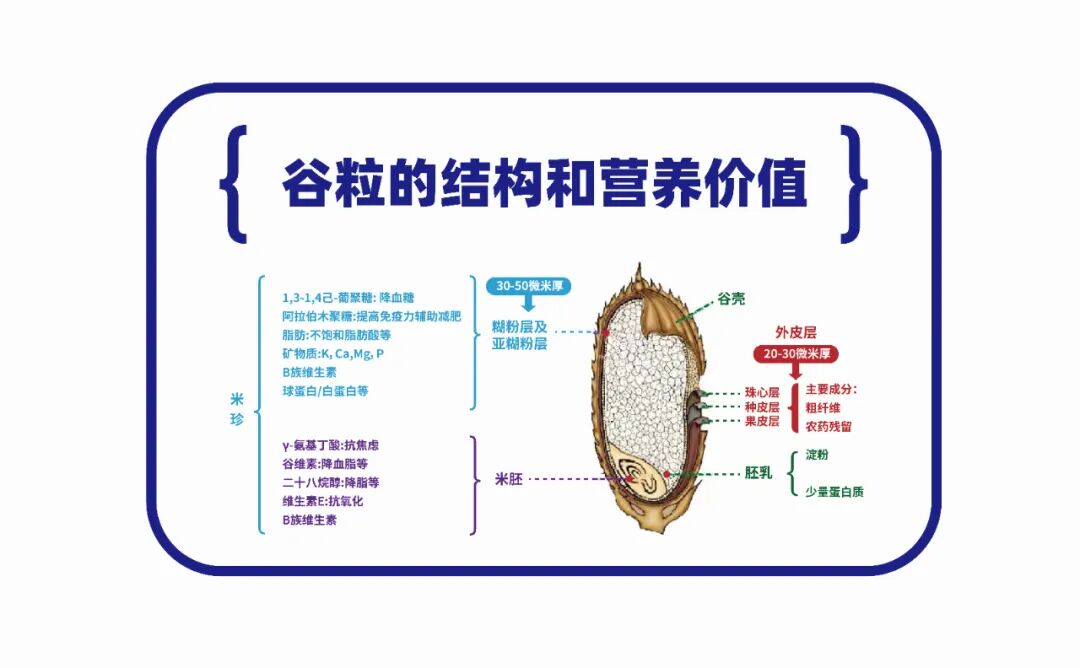
When talking about whole grains, the staple most familiar to Chinese people is rice. A complete rice grain consists of (from outside to inside): husk → pericarp/testa → aleurone layer (also called "rice aleurone") → germ → endosperm. The polished white rice we eat only retains the starchy endosperm after repeated milling. The nutrient-dense aleurone layer and germ are discarded as byproducts.
Research confirms that the health benefits of whole grains mainly stem from polyphenols, beta-glucan, sterols, anthocyanins and dietary fiber contained in bran and germ. For rice specifically, three valuable nutrient fractions deserve attention:
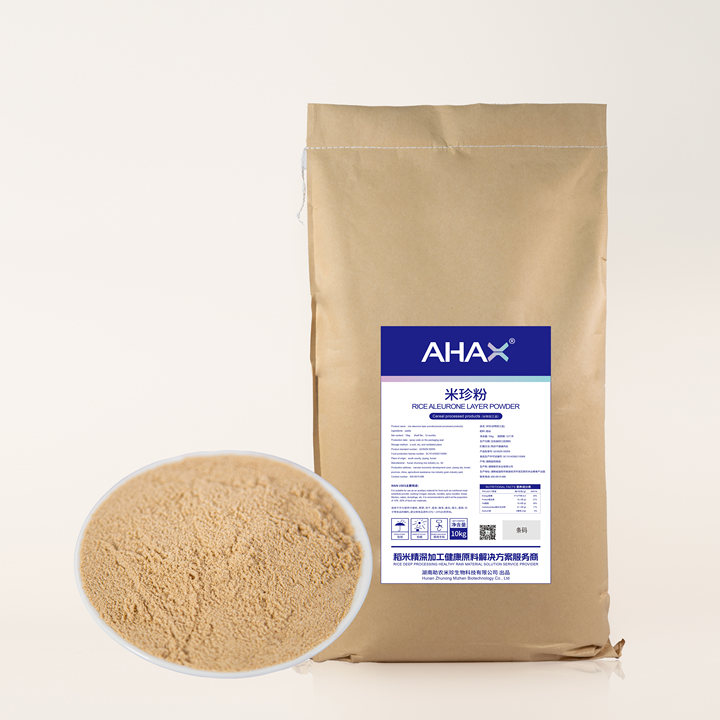
Rice Aleurone Layer
Lying immediately outside the endosperm, it holds over 60% of the rice grain's total nutrients. Packed with gamma-oryzanol, ferulic acid, dietary fiber, B vitamins, magnesium, zinc and other minerals, it is known as rice's "B vitamin warehouse". Choose rice enriched with aleurone layer to retain these nutrients.
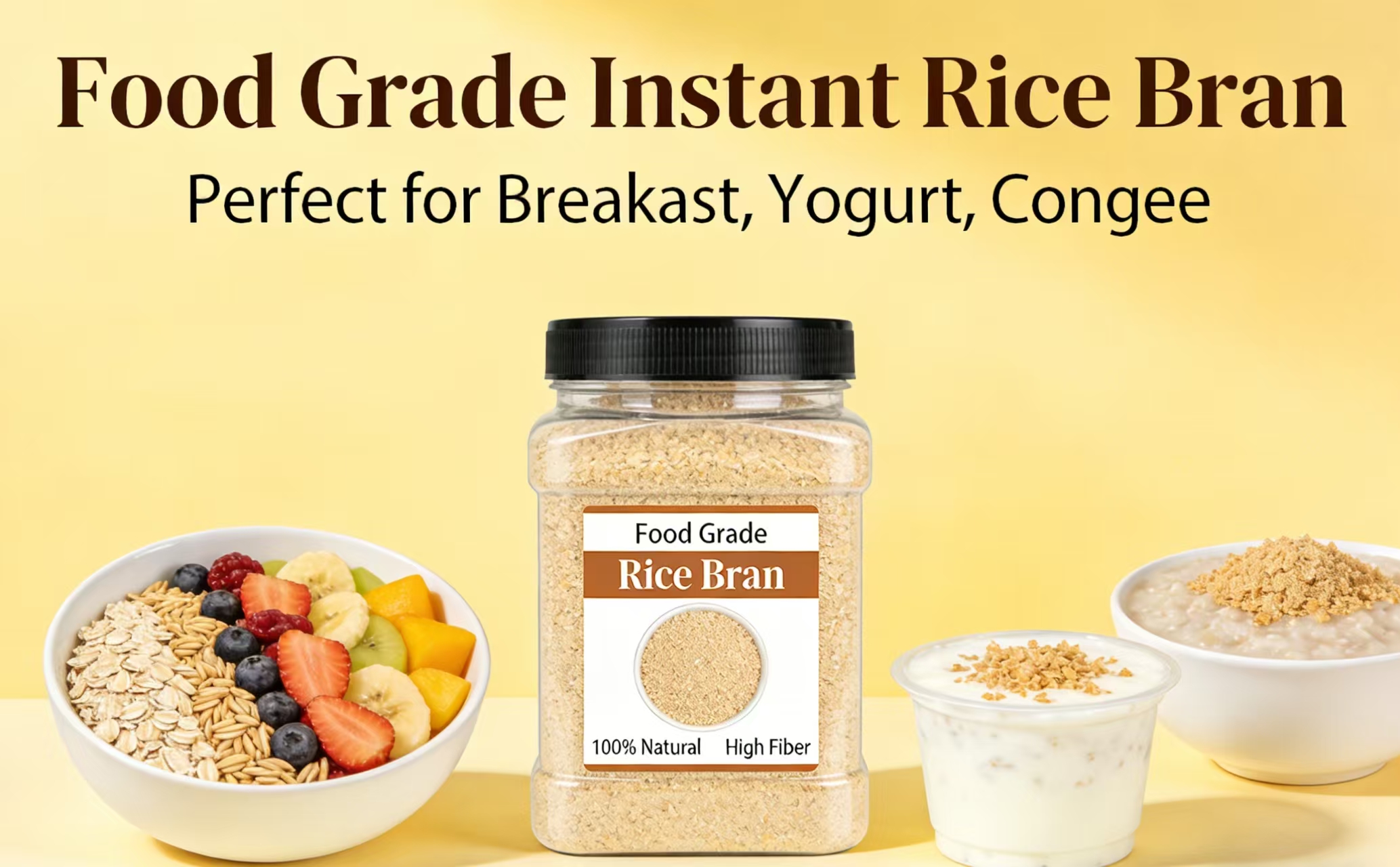
Stabilized Edible Rice Bran
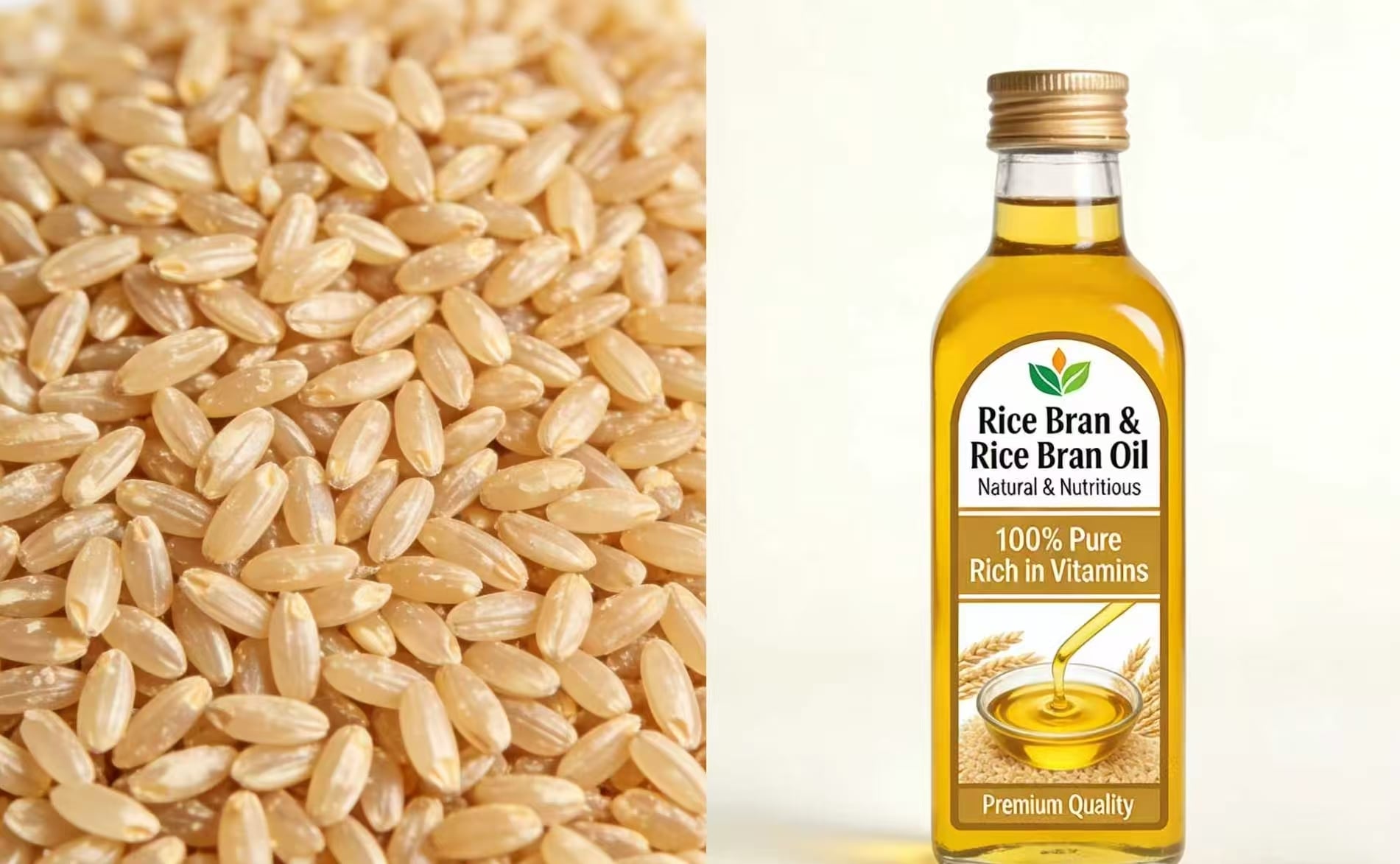
A mixture of pericarp, testa, aleurone layer and germ separated during rice milling, it boasts ultra-high nutrient density. It contains abundant dietary fiber, tocotrienols (a form of vitamin E), plant sterols and phenolic compounds. Brown rice preserves the rice bran layer.
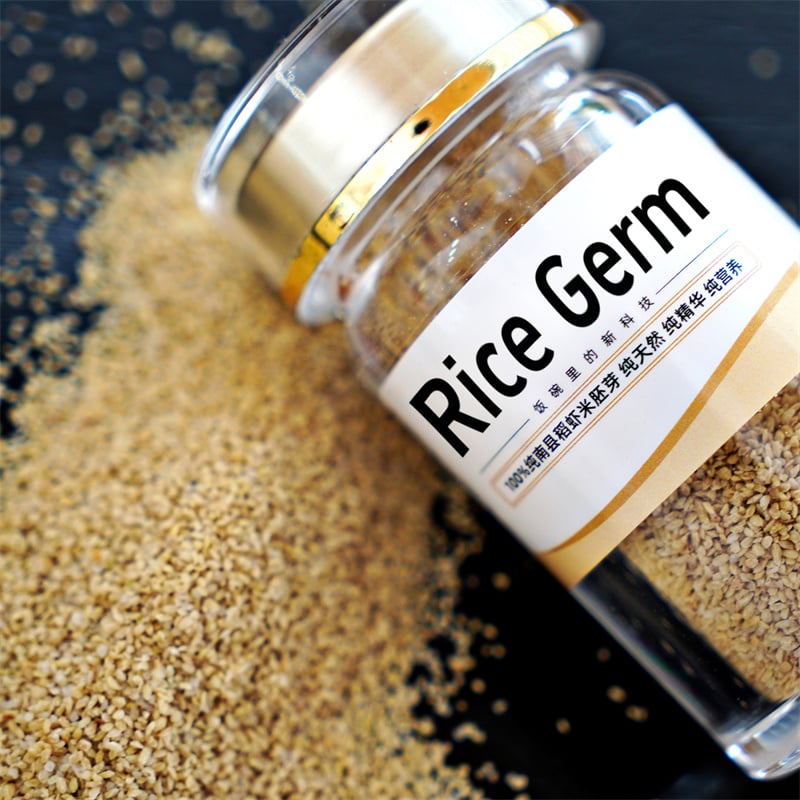
Rice Germ
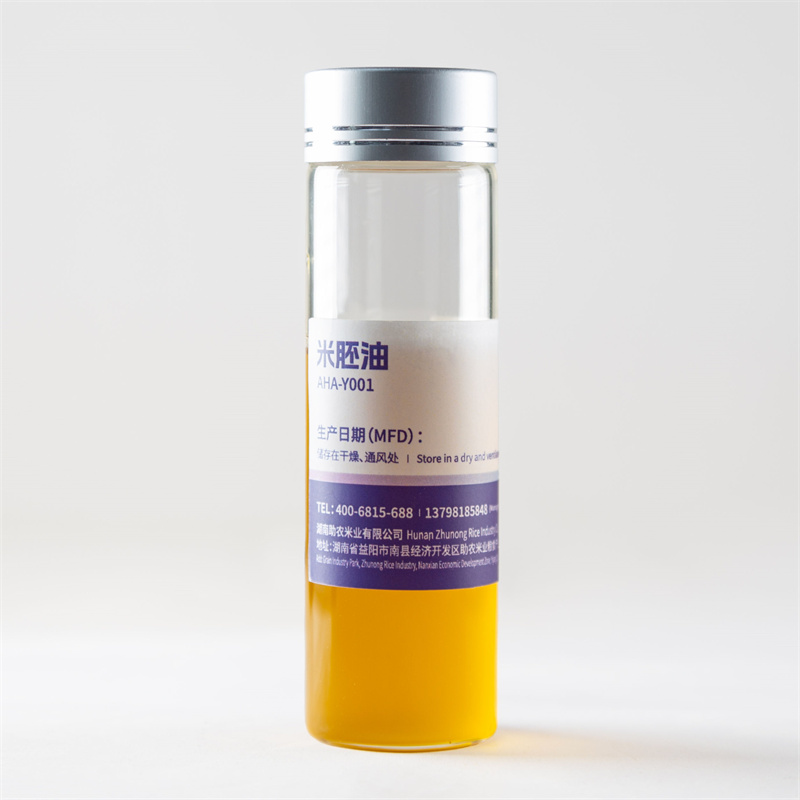
The embryonic core of rice that gives rise to new life. It is rich in vitamin E, GABA (gamma-aminobutyric acid), unsaturated fatty acids and high-quality protein. Germ-retained rice or sprouted brown rice preserves germ nutrients; pure rice germ delivers even higher nutrient concentrations.
Quick Reference Table for the Three Nutrient-Rich Rice Fractions
| Fraction |
Key Nutrients |
Daily Consumption Methods |
| Rice Aleurone Layer |
Gamma-oryzanol, ferulic acid, dietary fiber, B vitamins, magnesium, zinc |
Eat aleurone-enriched rice; take pure aleurone fiber powder or food products supplemented with rice aleurone raw materials |
| Edible Rice Bran |
Dietary fiber, vitamin E (tocotrienols), plant sterols, phenols |
Replace part of white rice with brown rice; consume stabilized edible rice bran directly or food products fortified with rice bran |
| Rice Germ |
Vitamin E, GABA, unsaturated fatty acids, high-quality protein |
Choose germ-retained rice or sprouted brown rice; opt for pure rice germ for concentrated nutrition |
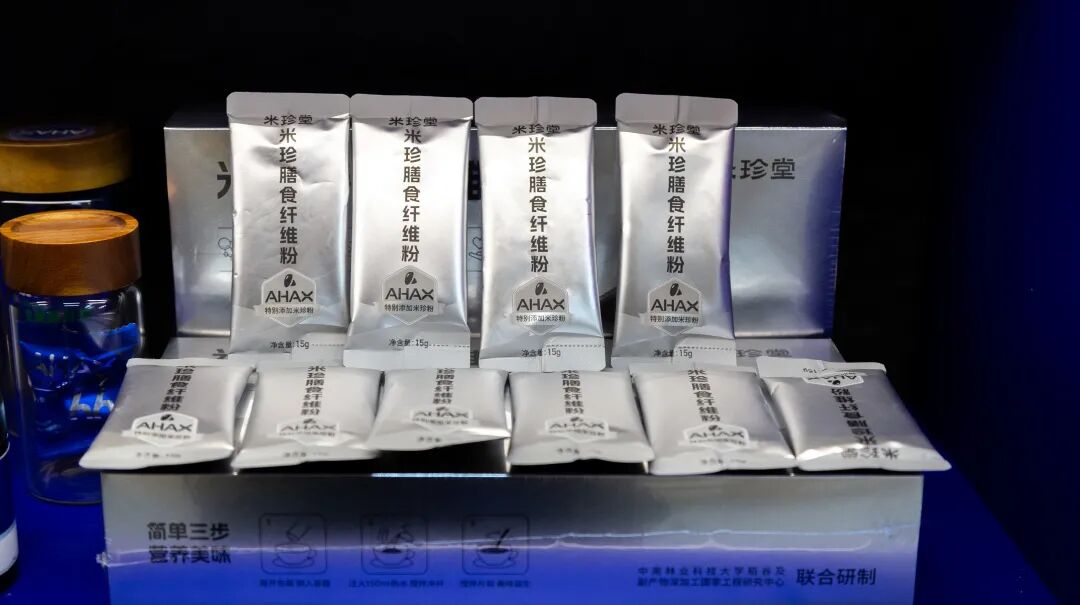
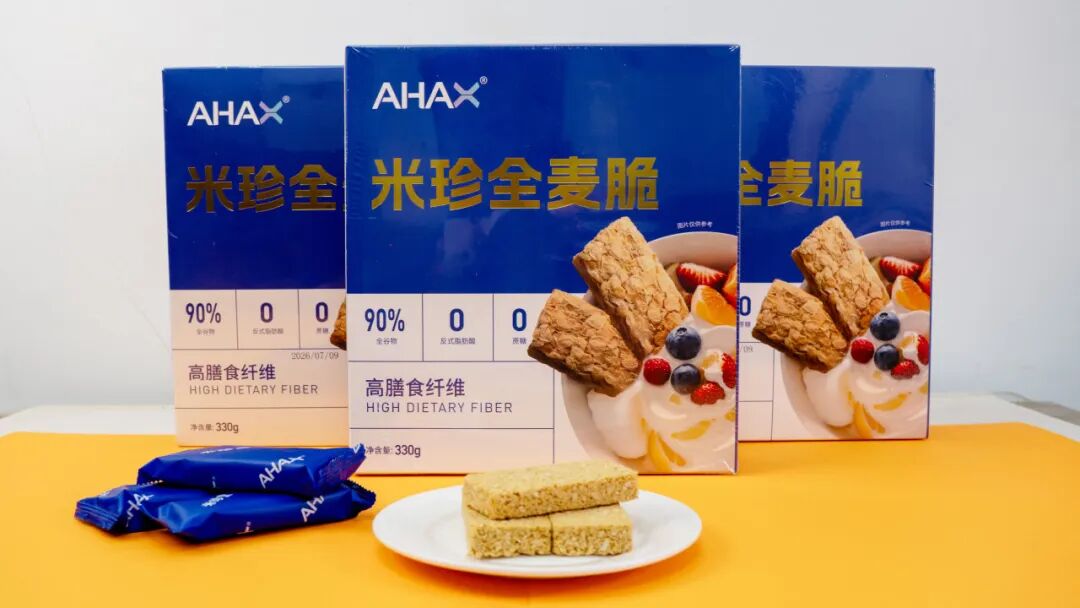
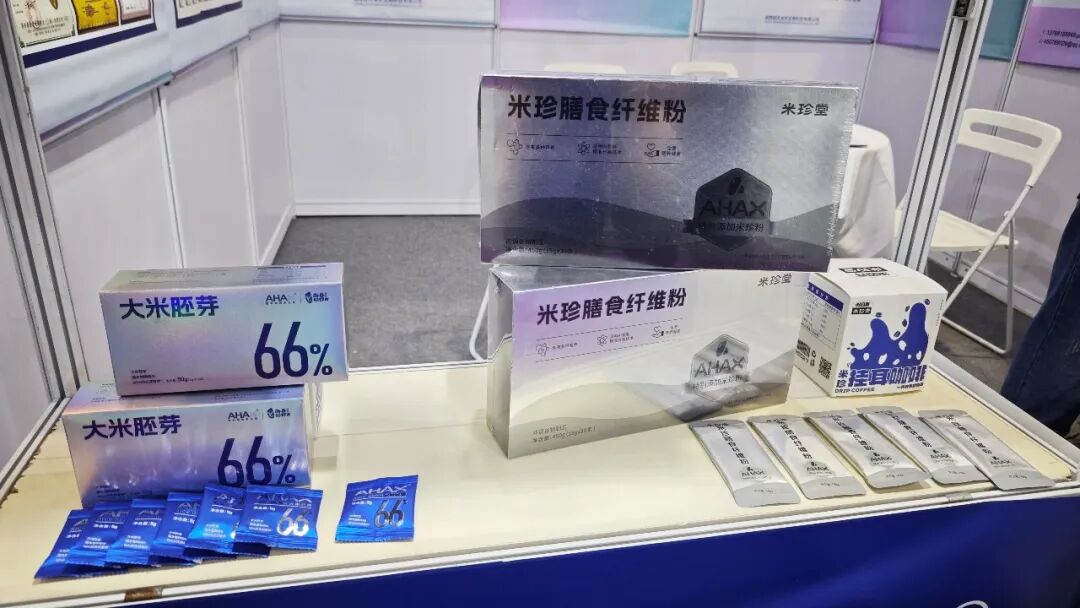
Note: The attached logo represents the AHAX Mizhentang product series, formulated with rice aleurone, rice germ and stabilized edible rice bran raw materials.
How Ordinary People Can Add Whole Grains to Daily Diets
Recommended Intake
The Dietary Guidelines for Chinese Residents (2022) advises 50–150 grams (dry weight) of whole grains and miscellaneous beans per day, accounting for one-third to one-half of total staple food intake.
Selection Tips – Three Checks
- Check if whole grains top the ingredients list;
- Check the percentage of whole grain content;
- Check for excessive added sugar, non-dairy creamer and other undesirable additives.
Guidance for Special Populations
Children, the elderly and those with sensitive digestive tracts should consume smaller portions and cook whole grains until fully soft. People with gluten intolerance may choose buckwheat, quinoa and brown rice, and avoid wheat and rye.
Conclusion
From widespread national chronic health issues, to whole grains being written into official dietary guidelines, to subtle intestinal repair and systemic balance restoration – do not dismiss whole grains merely for their coarse texture. The fractions we nearly throw away: rice aleurone, rice bran and rice germ, contain the most nourishing nutrients in rice.
Start today with a bowl of brown rice, aleurone-enriched rice, germ-retained rice, or a small serving of pure rice aleurone, germ or stabilized rice bran. Nurture your gut, and long-term health will follow.

 Hot News
 EN
EN