 EN
EN

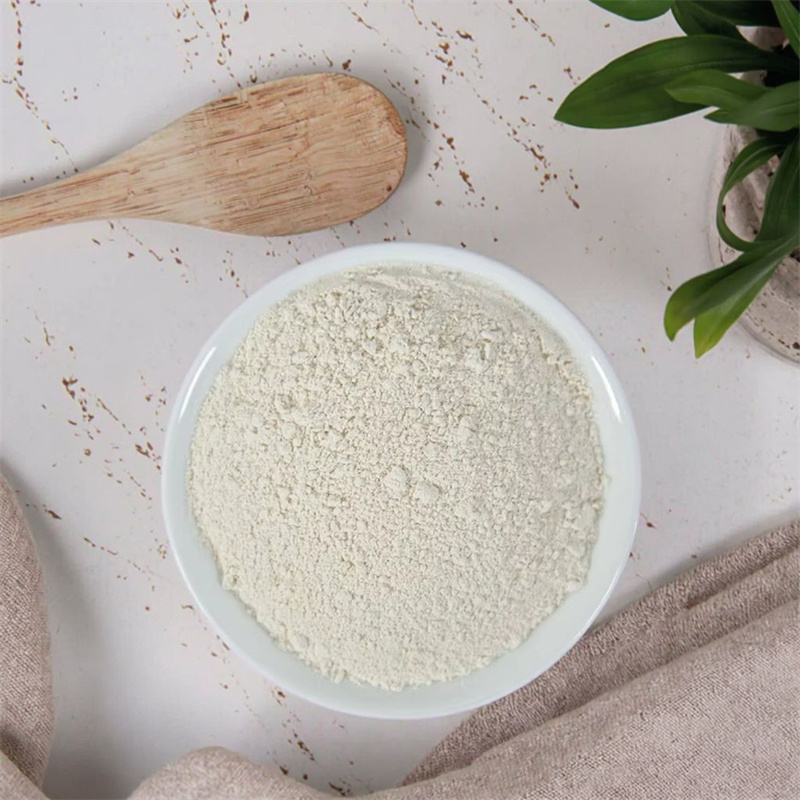
Rice-derived ingredients are the buzz for those in food manufacturing and with good reason as there is a lot that these unique ingredients have to offer which is changing how we look at production.
Advantages of using rice
Rice based ingredients are very versatile One of the key benefits when it comes to using rice-based ingredients in food production is its versatility. Rice flour, rice bran oil and rice starch have applications in all manner of products from bakery to snacks to sauces. This flexibility lets formulators produce a range of products to suit various consumer tastes.
Rice flour based food ingredient
In the world of wholesale food, efficiency is everything. Rice-dervived materials are helping food companies make their operations more efficient and products of better quality. Brown rice dietary fiber can act as tocopherol in a sauce or soup and stabilise the product at the same time by allowing it to maintain a smooth mouthfeel without separation.
Why wholesale buyers
More and more on rice dietary fiber are looking for new rice-based ingredient products, such as those provided by Zhunong Mizhen, to produce food goods that cater to the health of consumers. Rice is a food most people worldwide rely on as food, and it’s likely to be considered nutritious, easy-to-digest ingredients.
What You Don't Know About Rice-Based Ingredients
There are a few myths about rice-based ingredients that wholesale buyers may consider a reason for not putting them in their products. A misconception is that rice-based stuffings are insipid and boring. But rice-based components can actually help make food more tasty and appealing too, bringing a slightly sweet taste and feeling light as air.
Top trending recipes
Rice-based constituents are in vogue and wholesale food providers can get on the bandwagon by using it for diverse recipes. Some of the top trending recipes include rice yeast extract used in gluten-free baking, rice noodles for stir-fries and soups and rice milk when you’re looking for a dairy-free alternative.